Plantinformation
HOME OF PROVEN WINNERS®
Plant Information
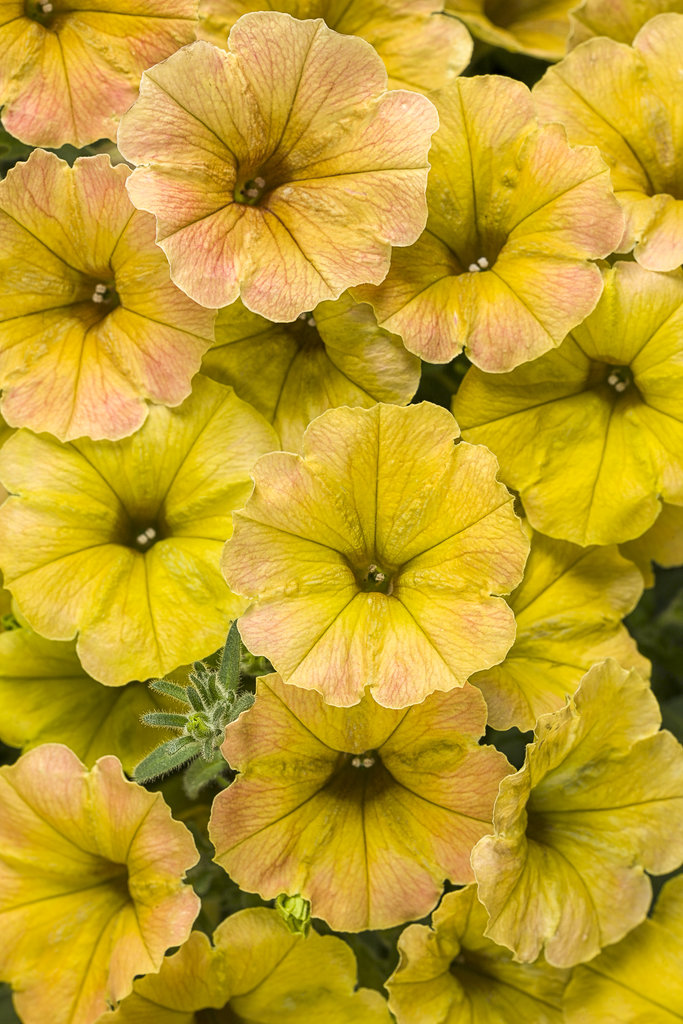
Supertunia® Honey™
Petunia
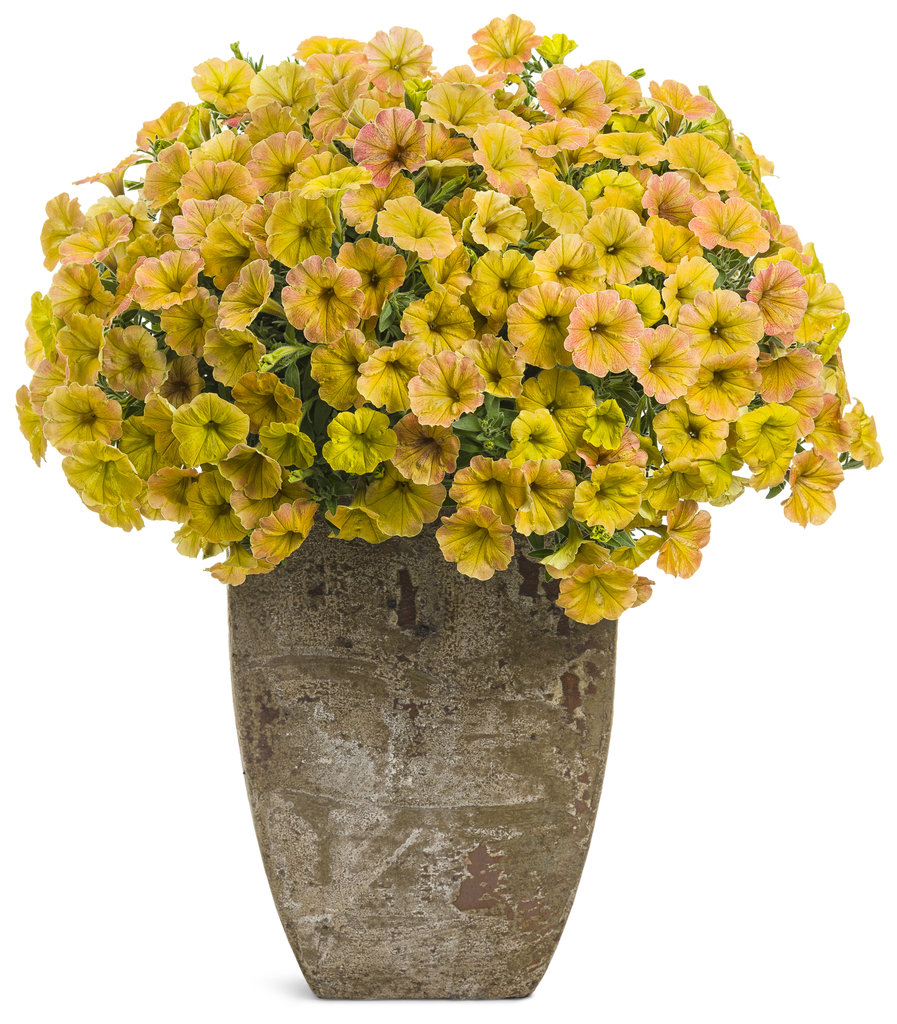
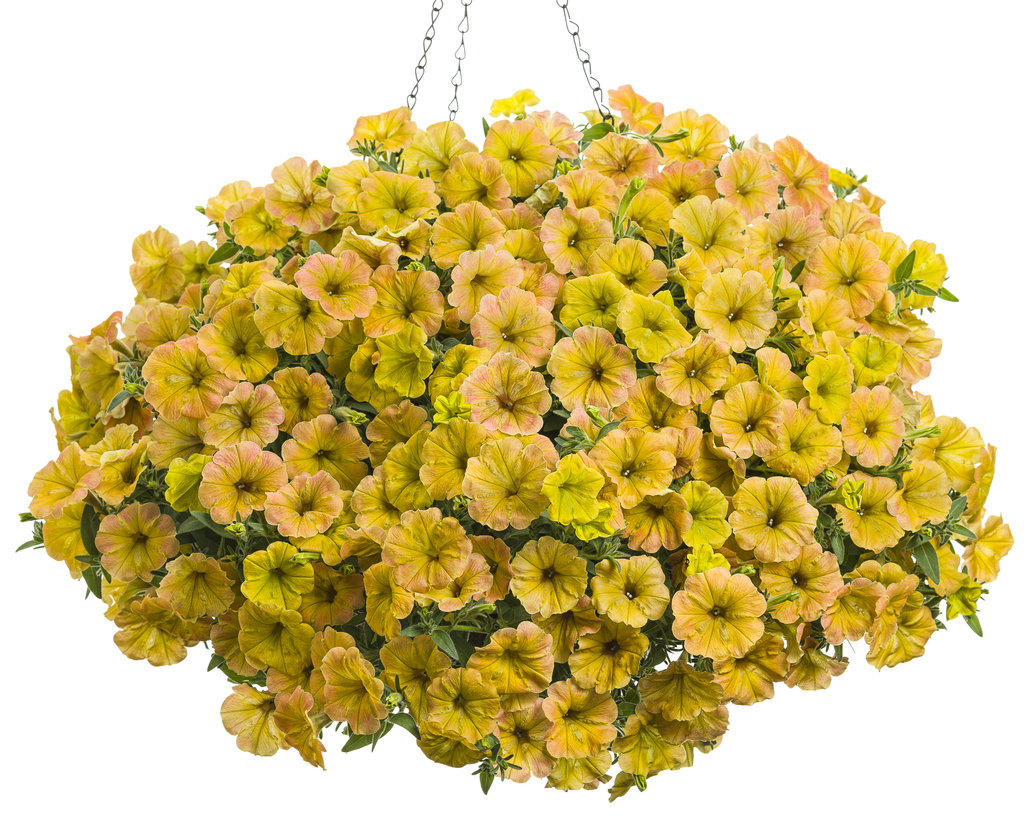
Supertunia Honey petunias are vigorous with slightly mounded habits that function as both fillers and spillers in containers. They are also excellent landscape plants, best suited to be placed near the front of beds. They have medium to large sized flowers.

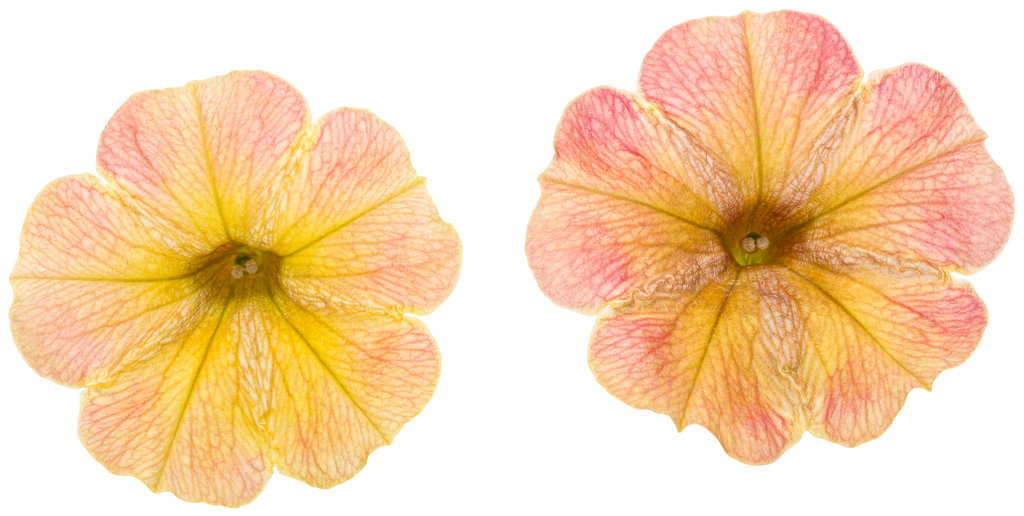
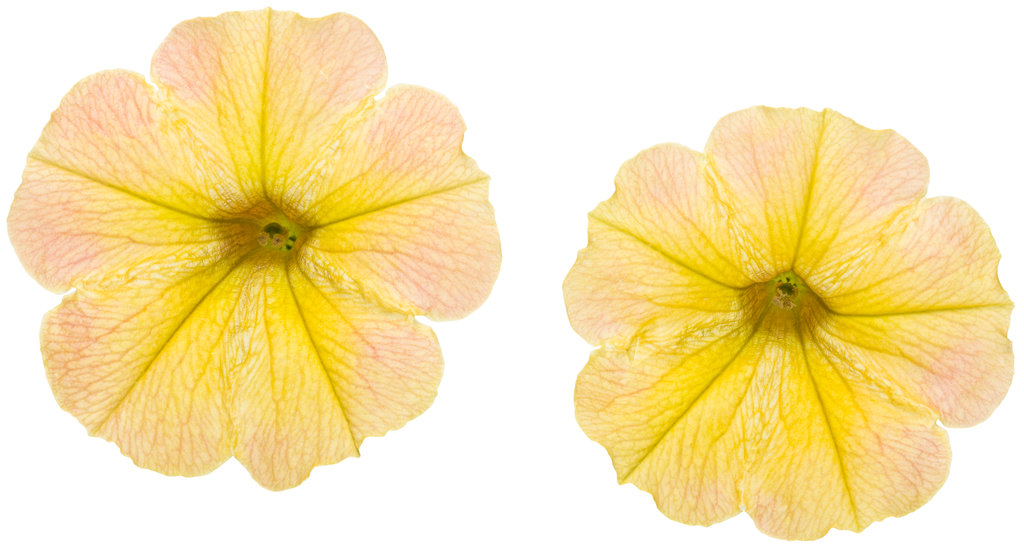
| Blossom Color | Pink, Yellow |
| Bloom Season | Planting To Hard Frost |
| Exposure | Part Sun to Sun |
| Height | 4-8 in |
| Width | 18-24 in |
| Spacing | 12-24 in |
| Container Sizes | 104, 104 Spacer, SE32, SE52 |
| Hardiness Zones | 10, 11 |
| Wildlife Attracted | Butterflies,Hummingbirds |
| Wildlife Deterred | |
| Features | Supertunia Honey petunias are vigorous with slightly mounded habits that function as both fillers and spillers in containers. They are also excellent landscape plants, best suited to be placed near the front of beds. They have medium to large sized flowers. |
| Adaptable as a Houseplant | No |
| Bog Plant | No |
| Is Disease Resistant | No |
| Drought Tolerant | Yes |
| Edible | No |
| Erosion Control | No |
| Fragrant Flower | No |
| Fragrant Foilage | No |
| Heat Tolerant | Yes |
| Native to North America | No |
| Salt Tolerant | No |
| Succulent | No |
| Water Plant | No |
























| Uses |
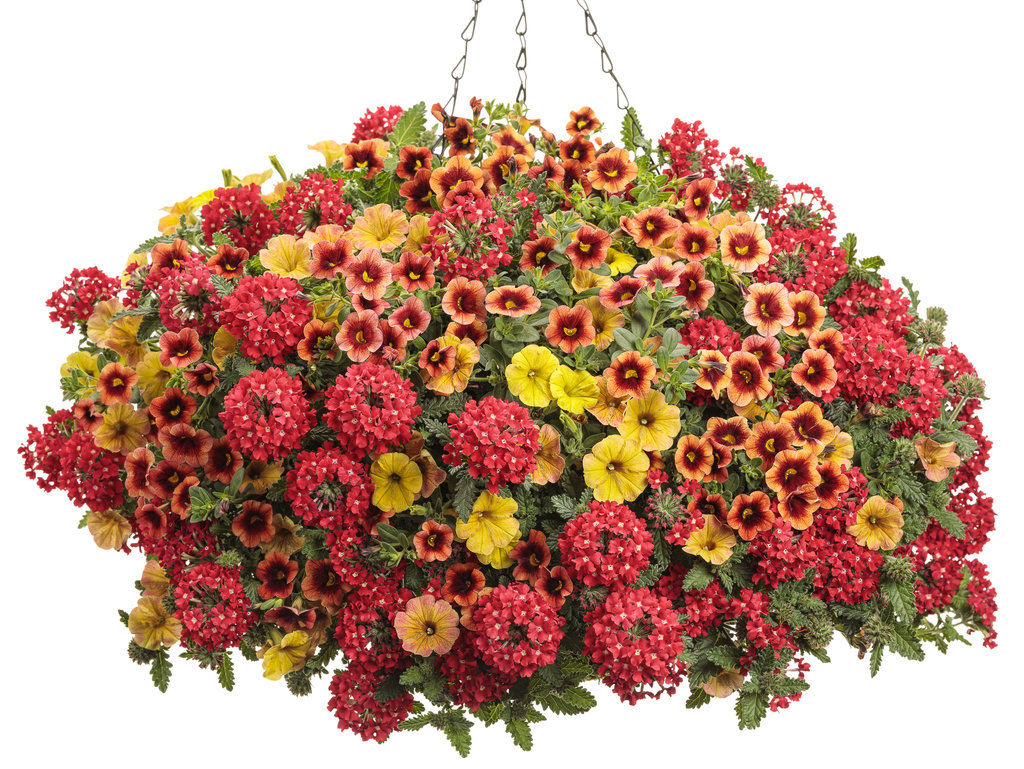
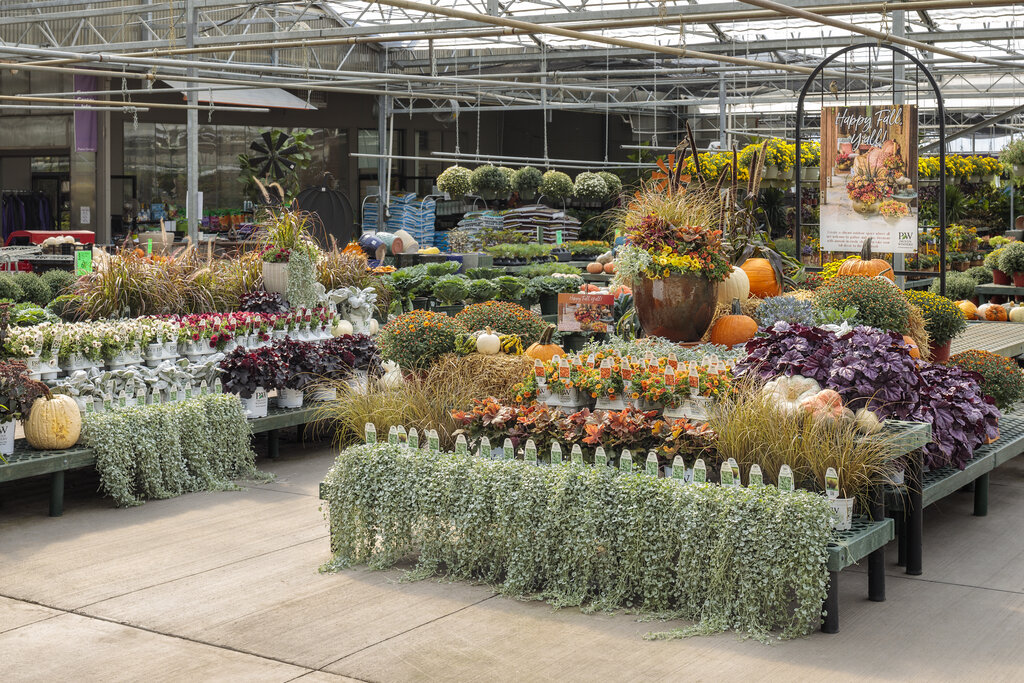
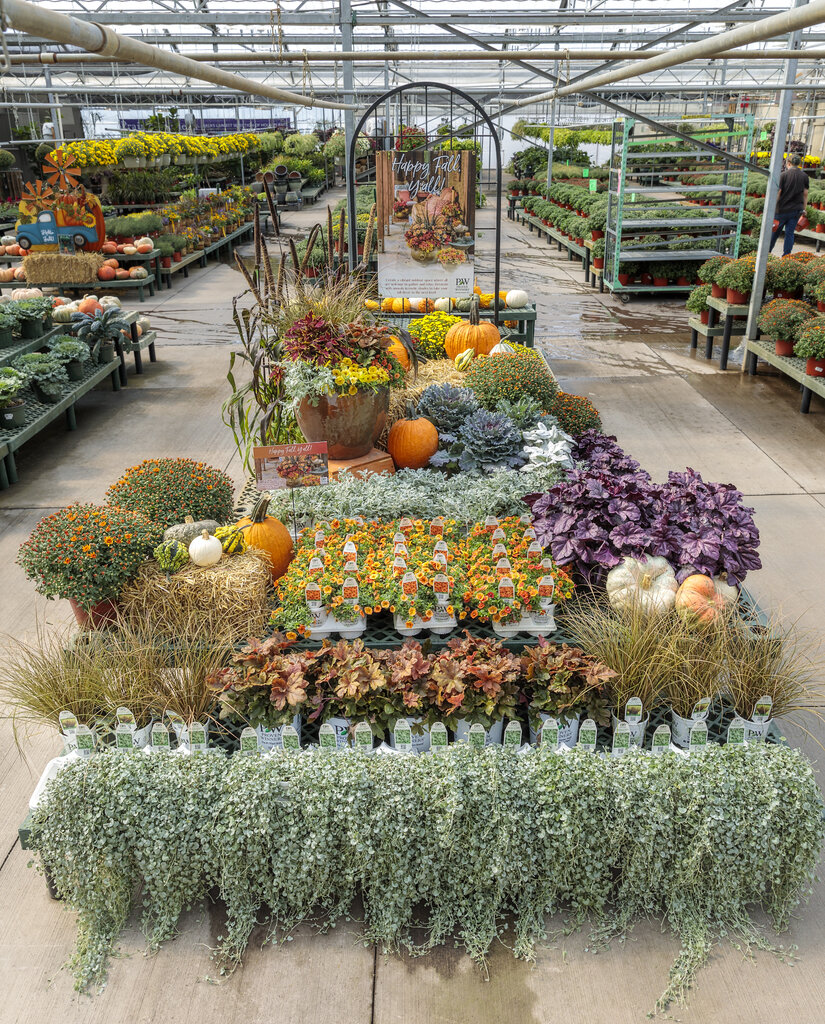
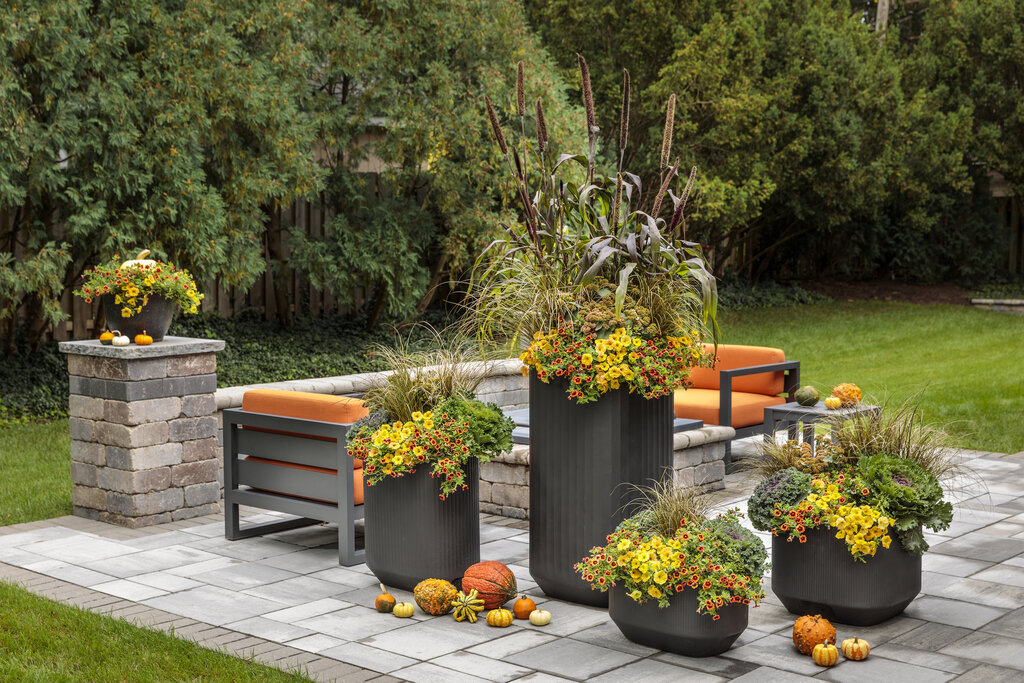
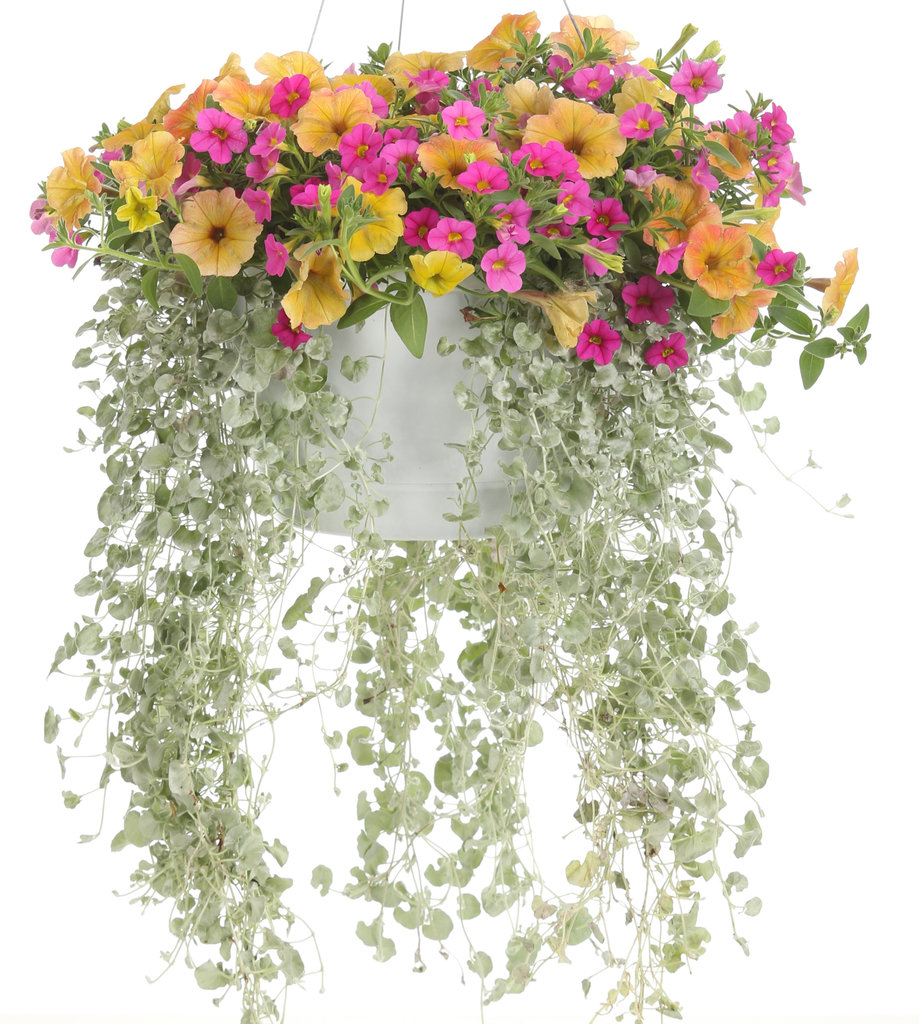
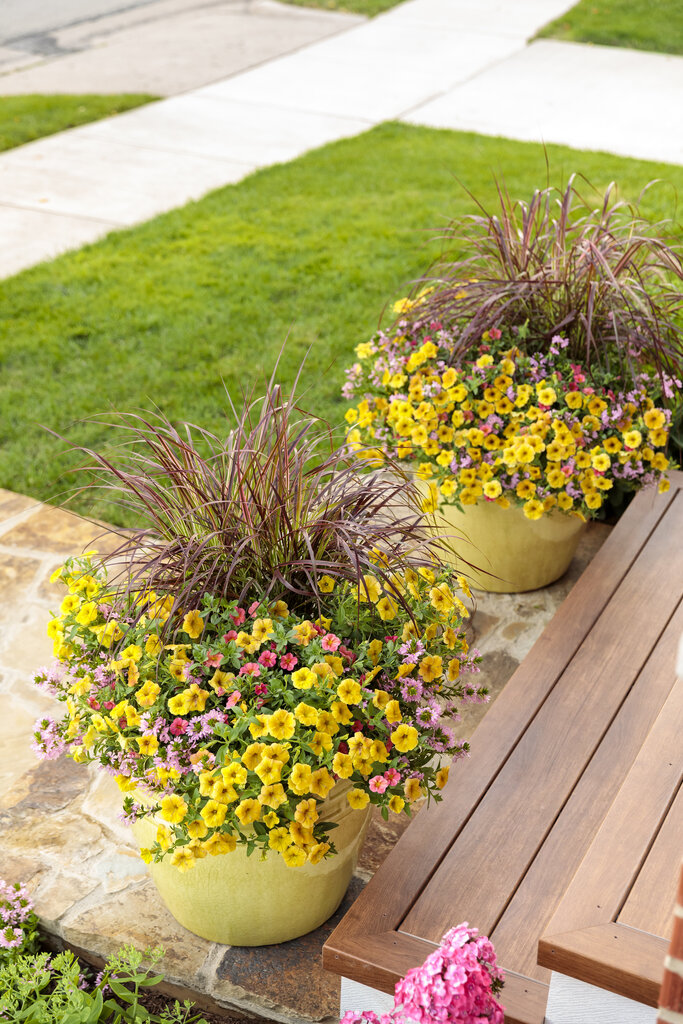
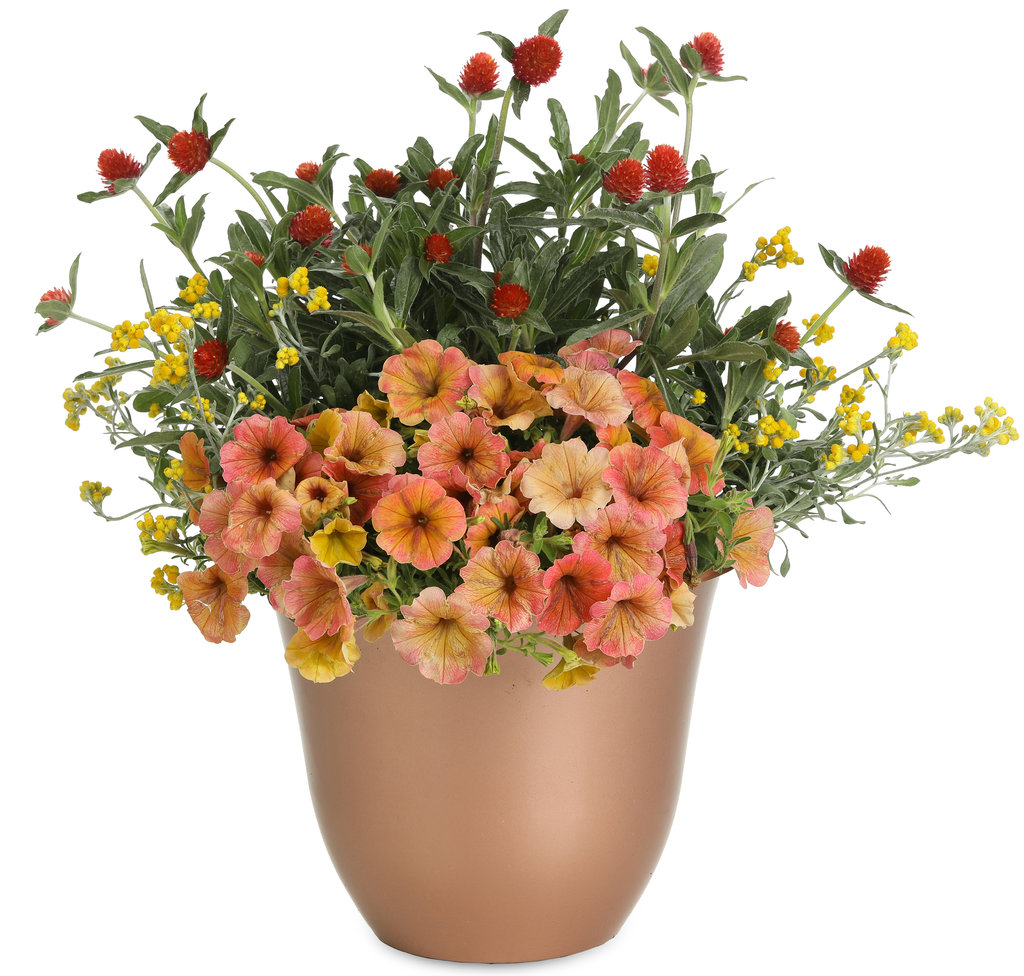
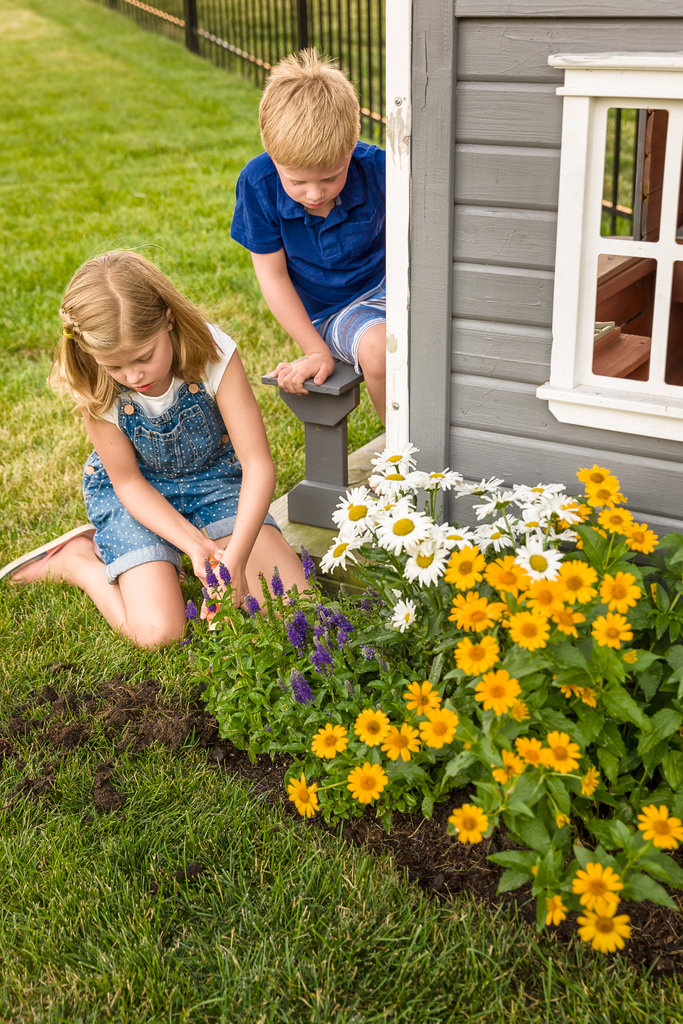
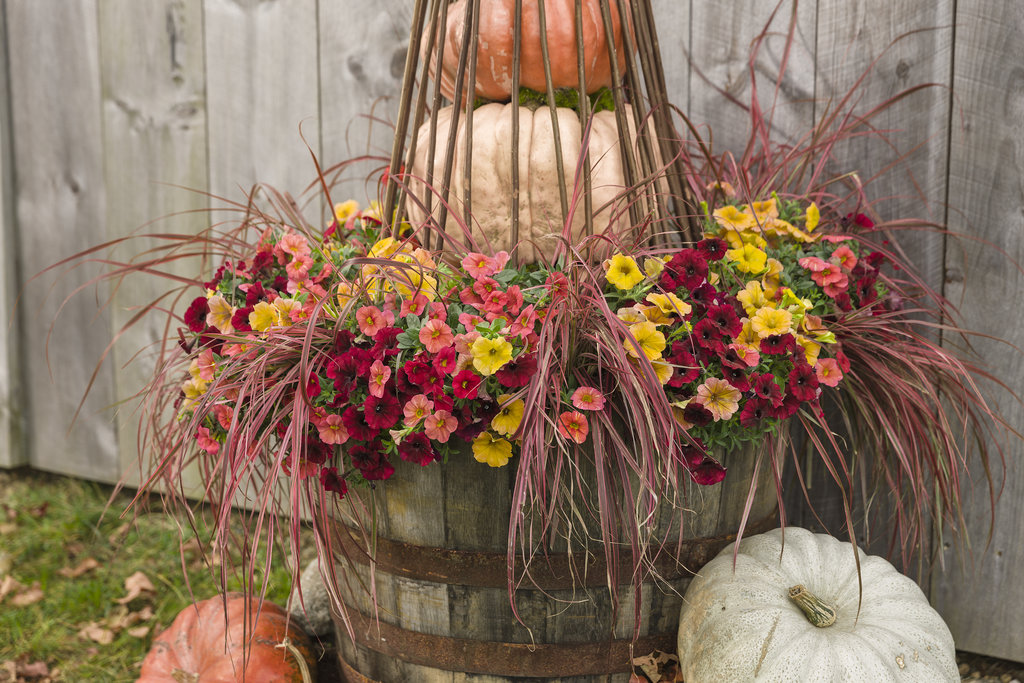
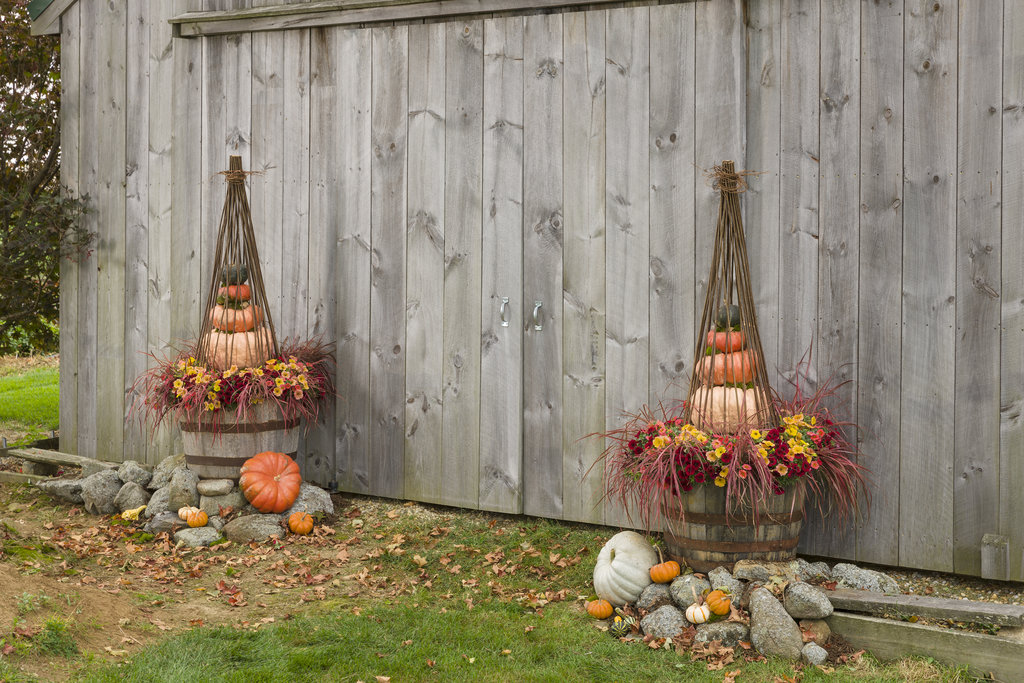
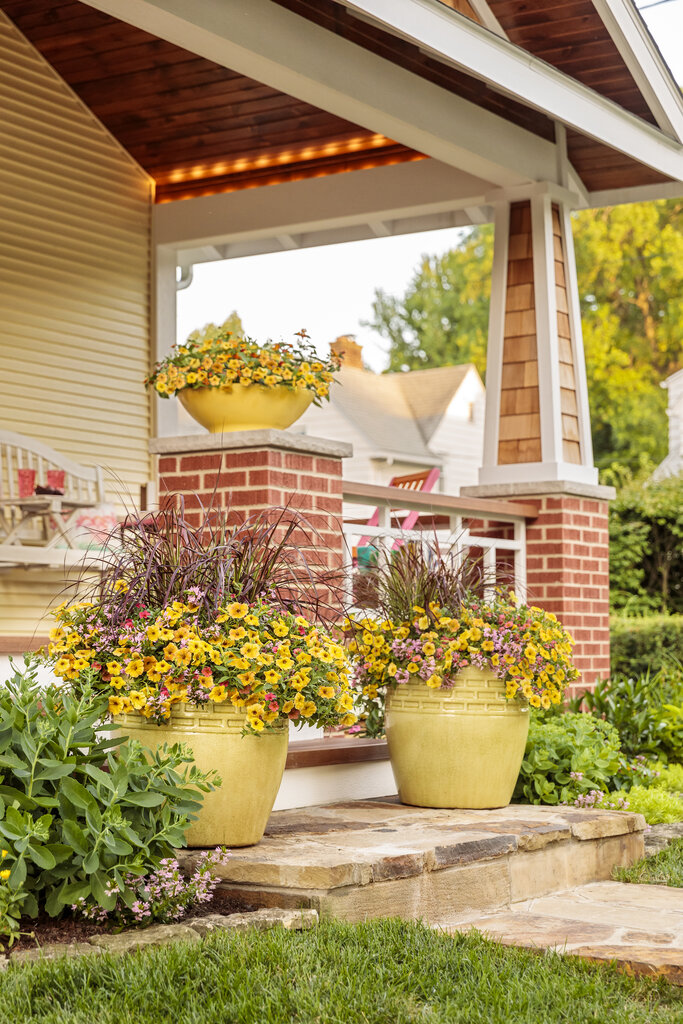
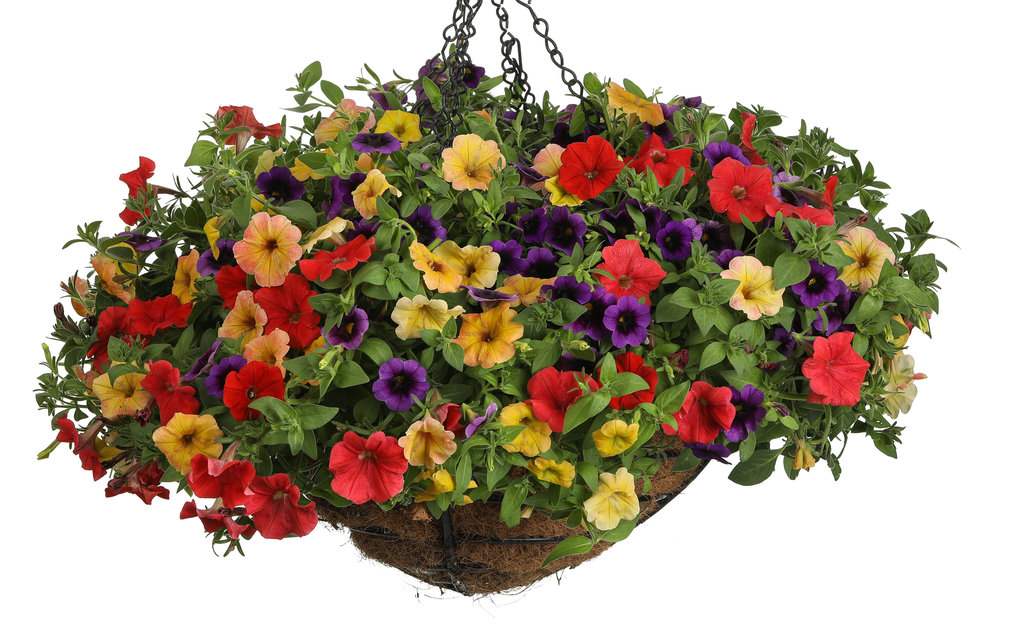
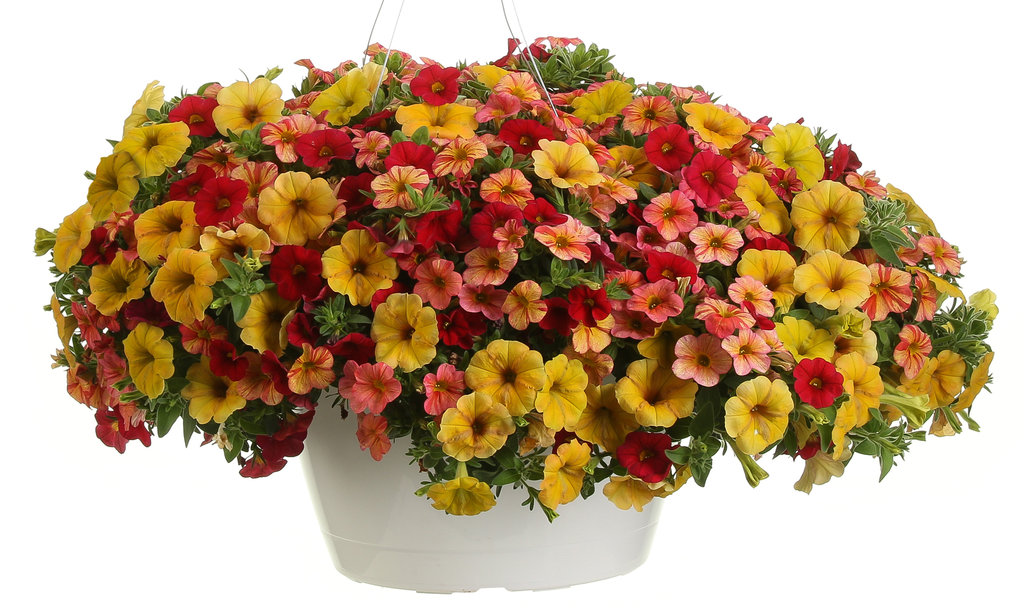
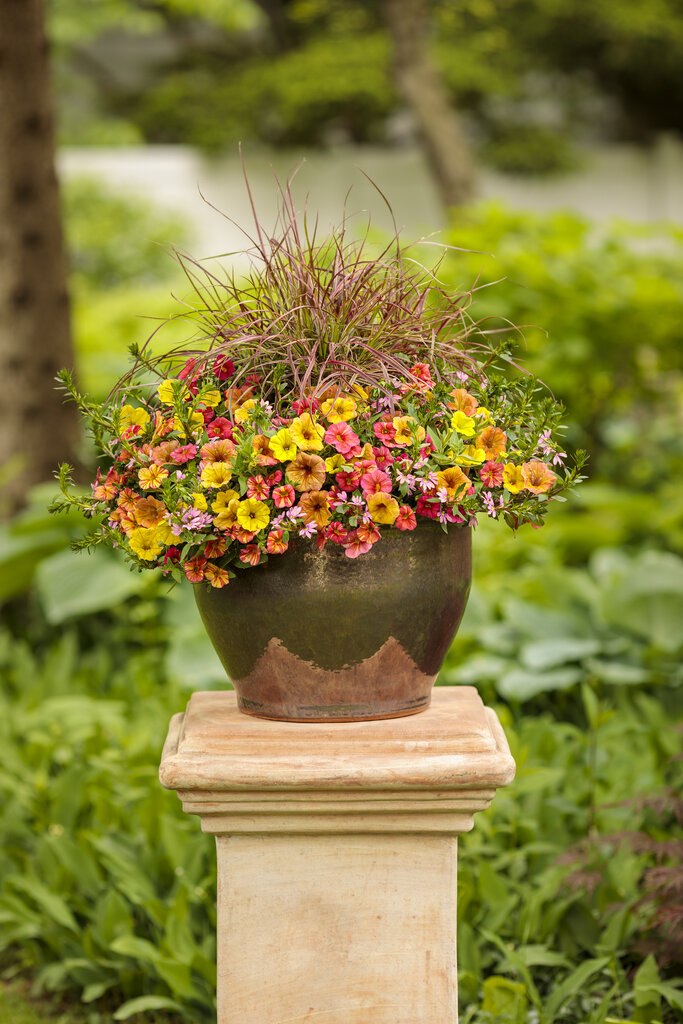
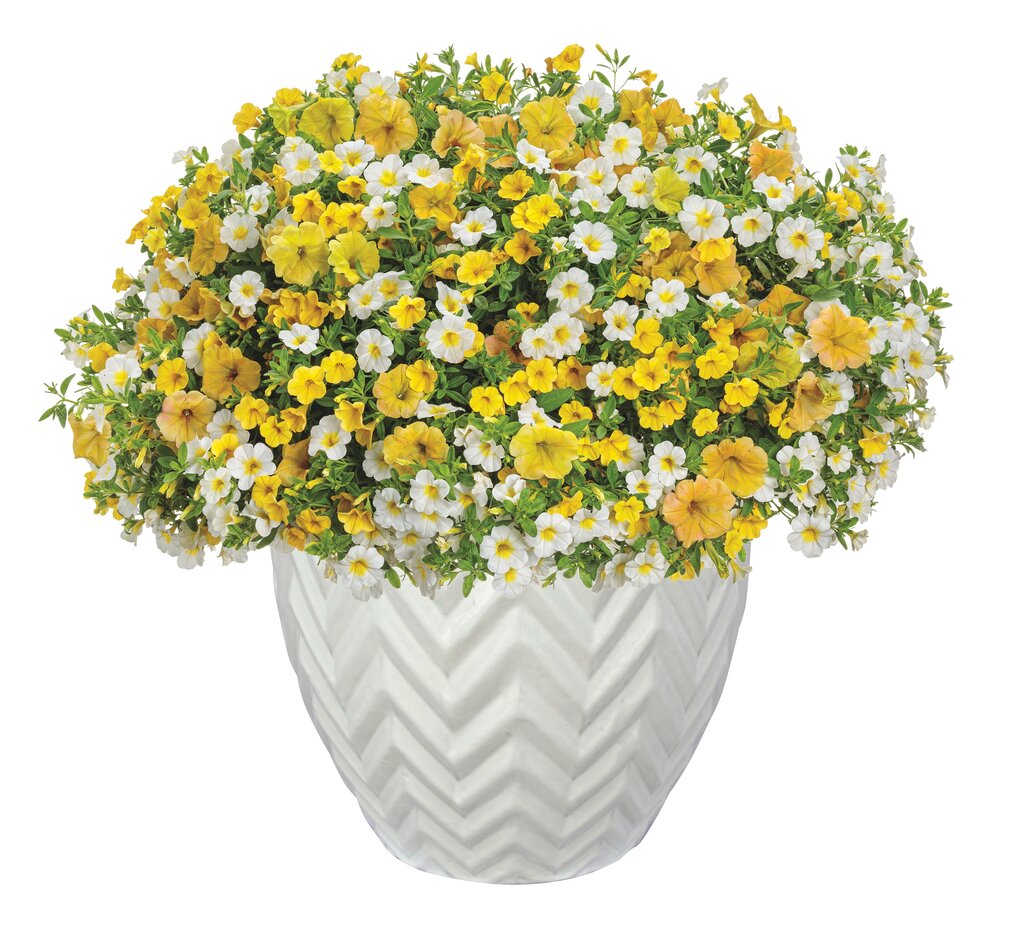
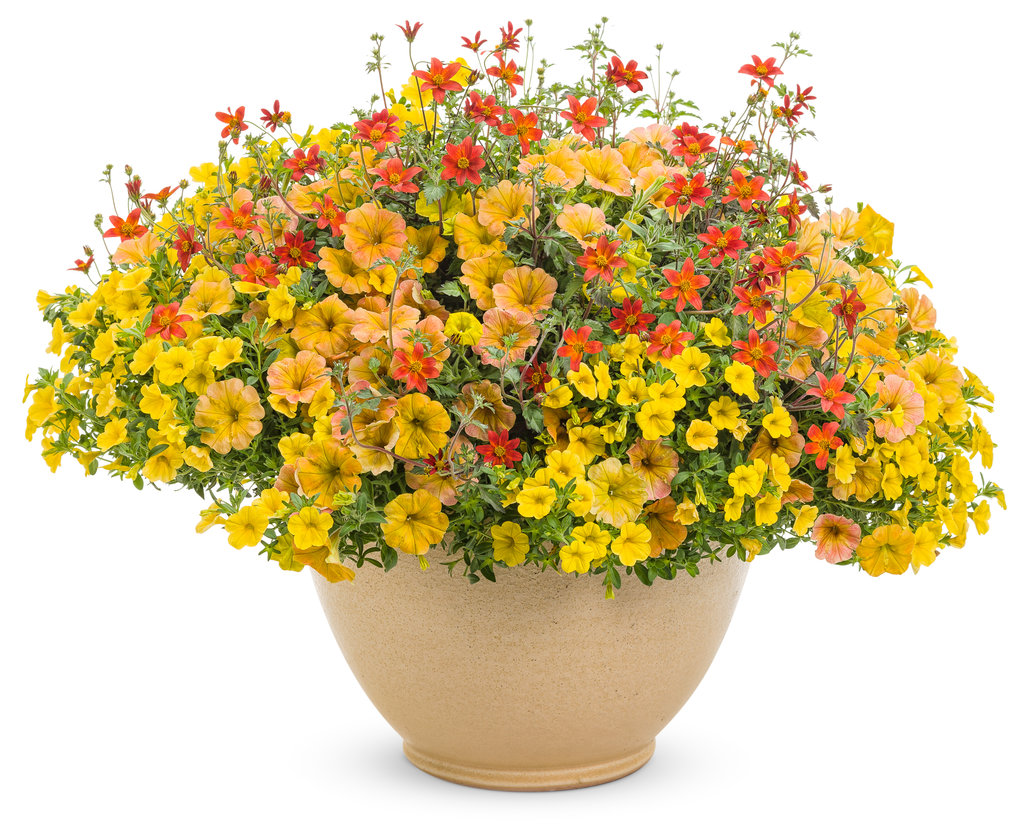
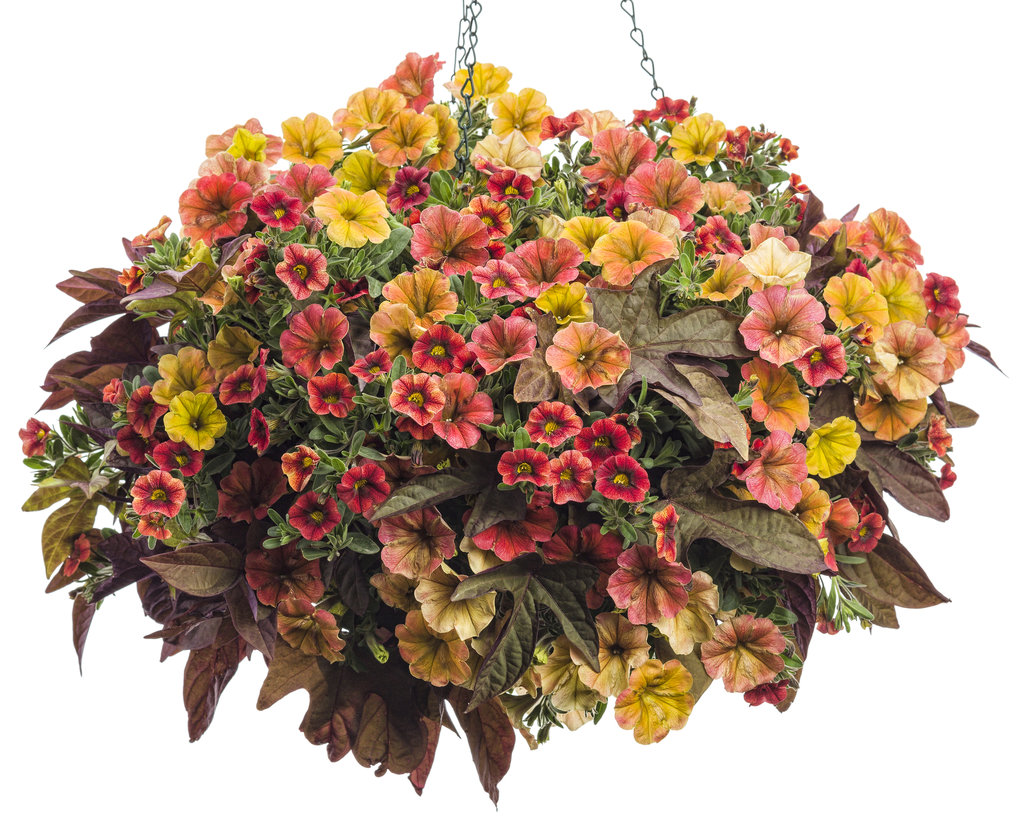
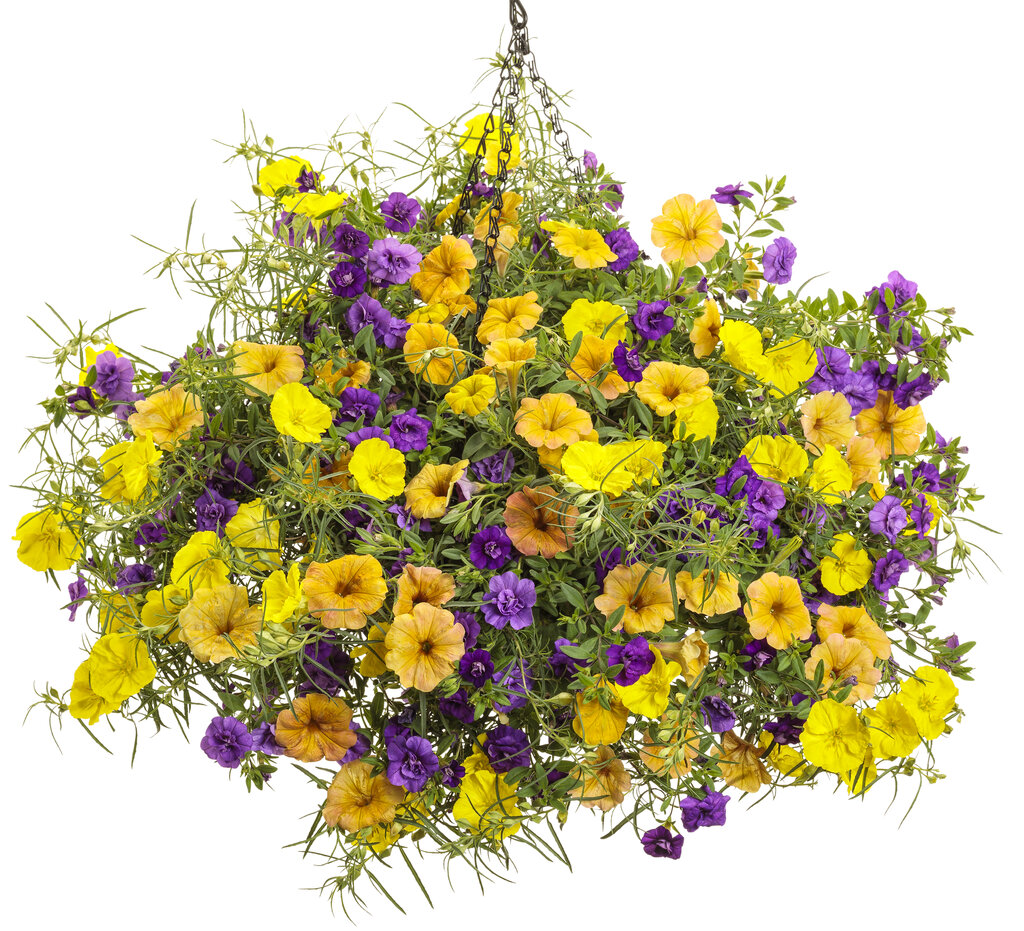
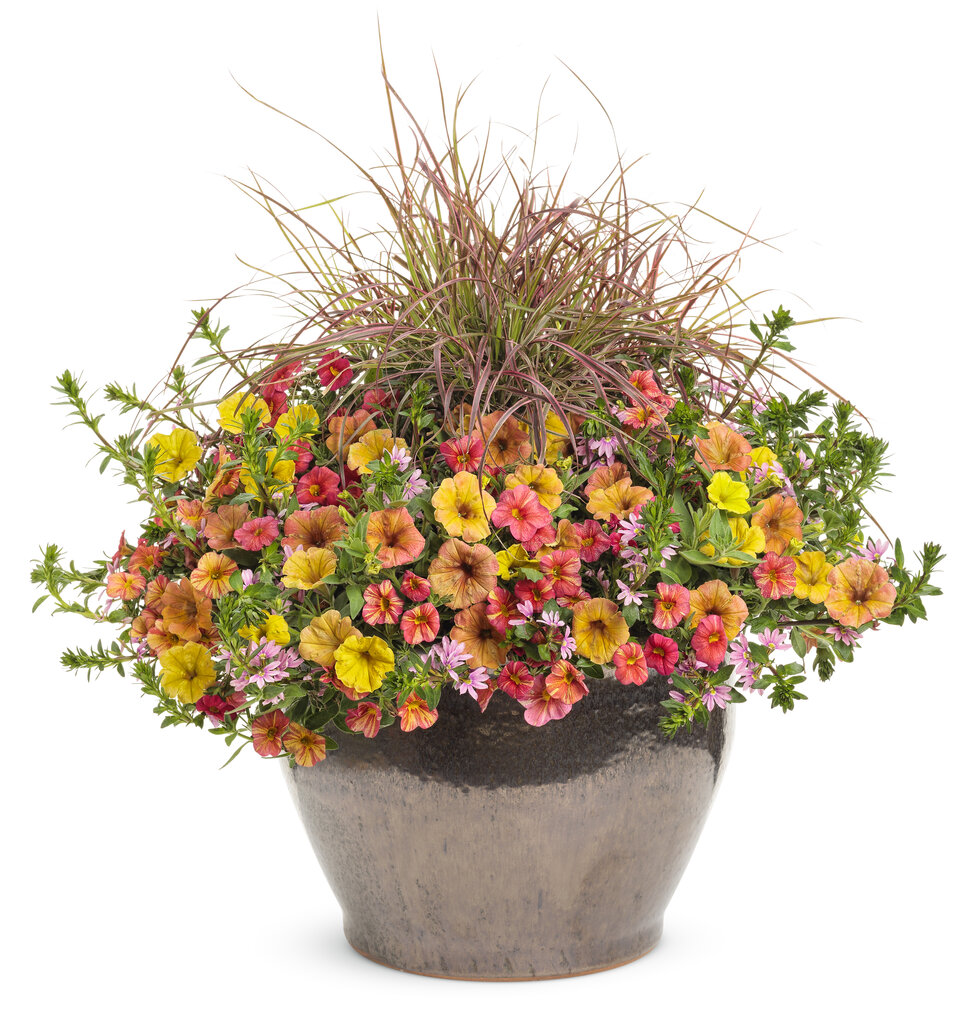
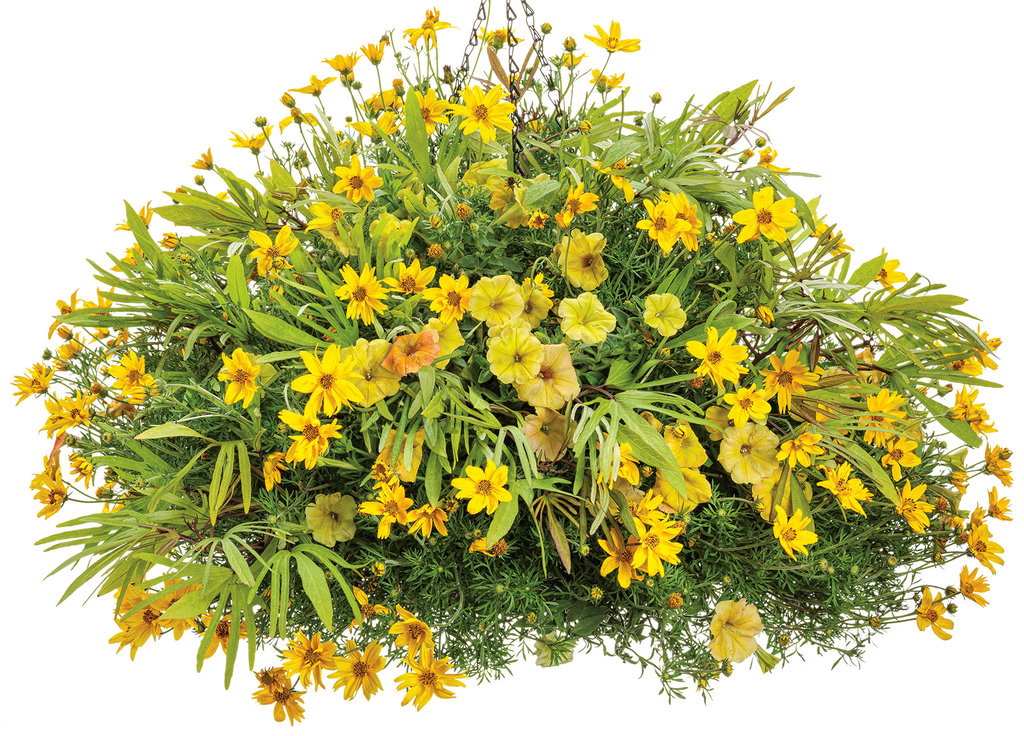
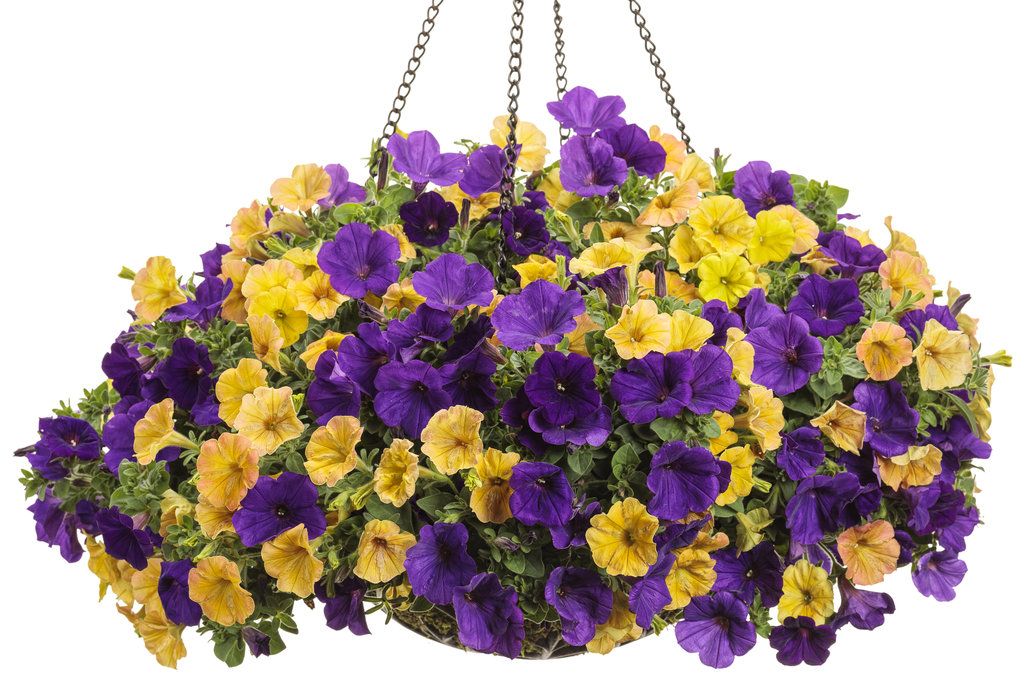
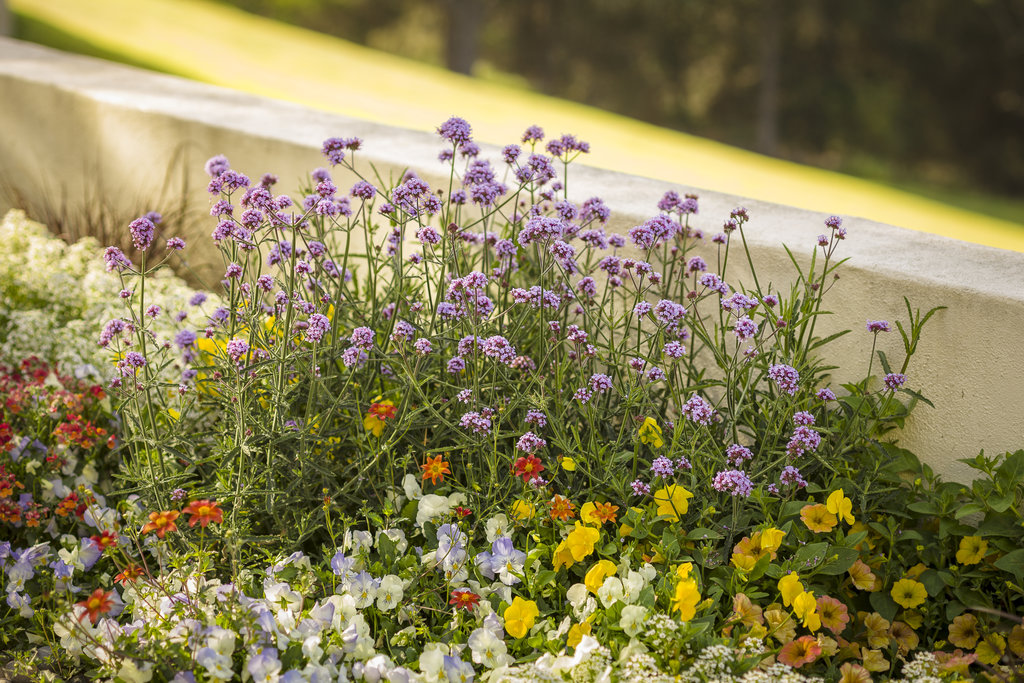
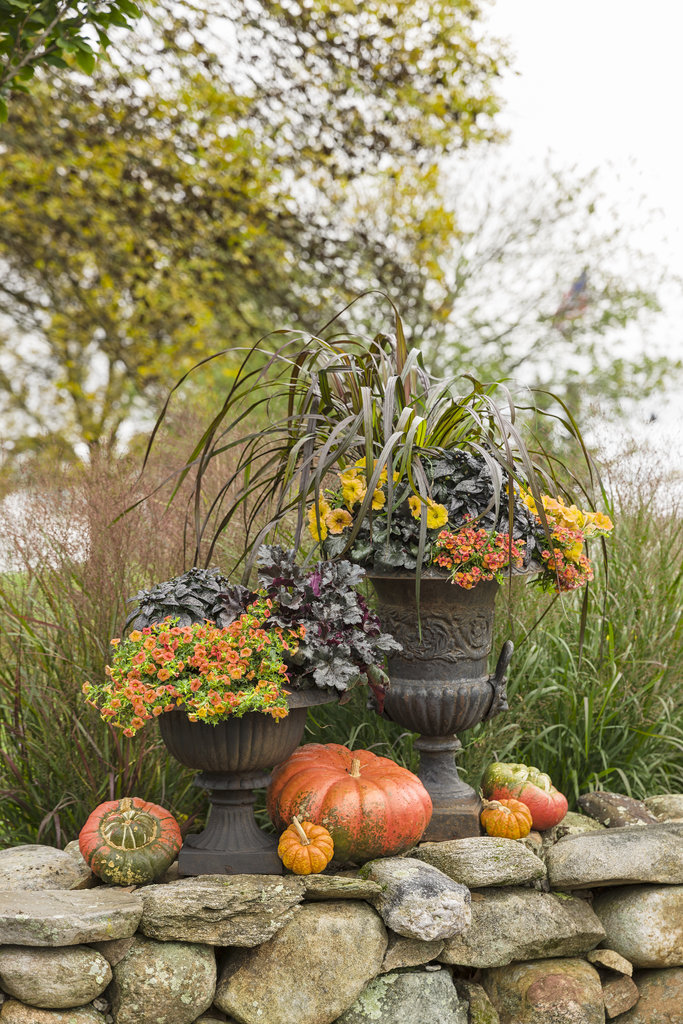
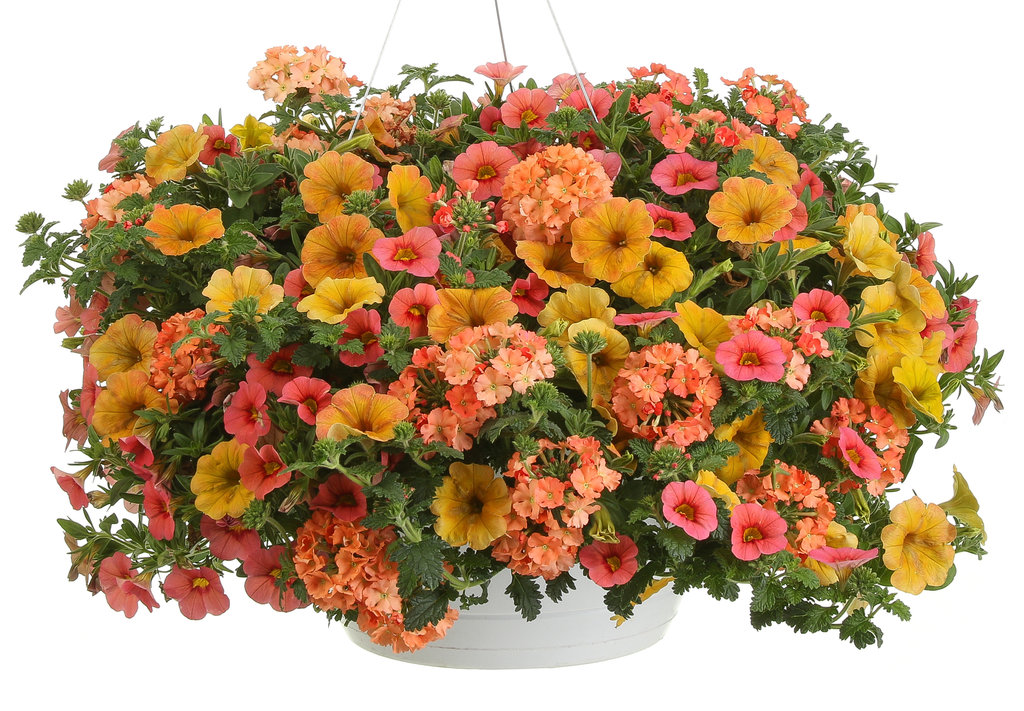
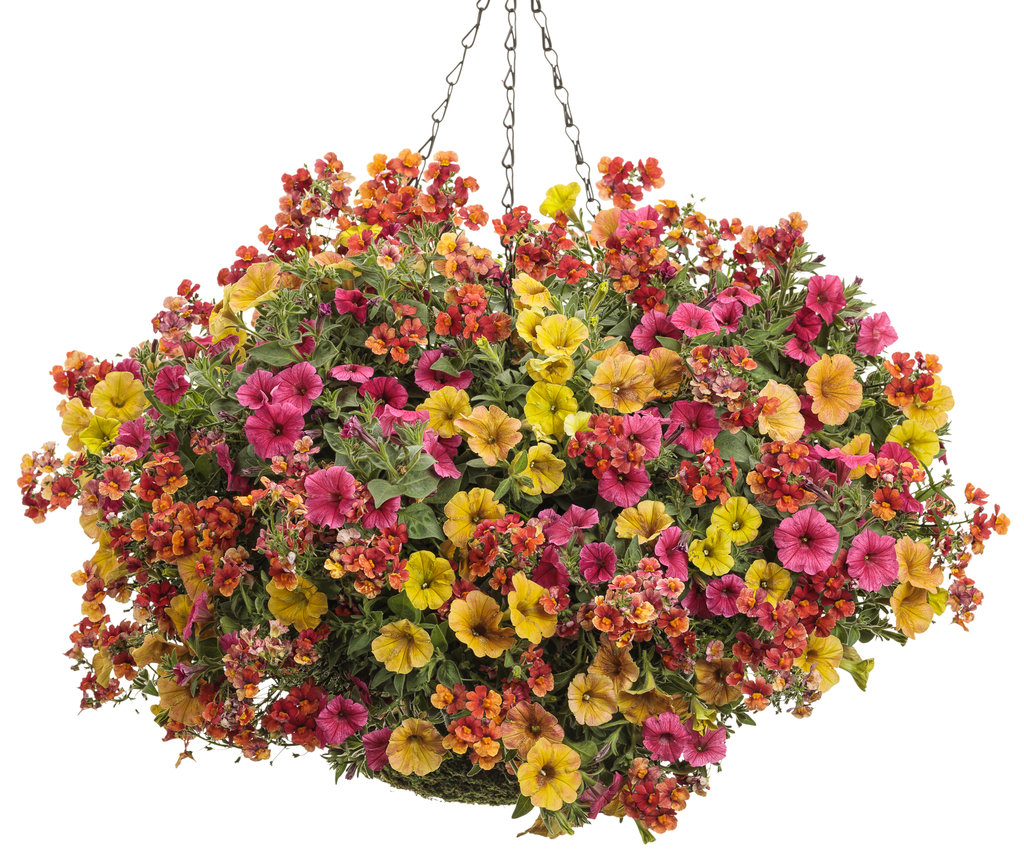
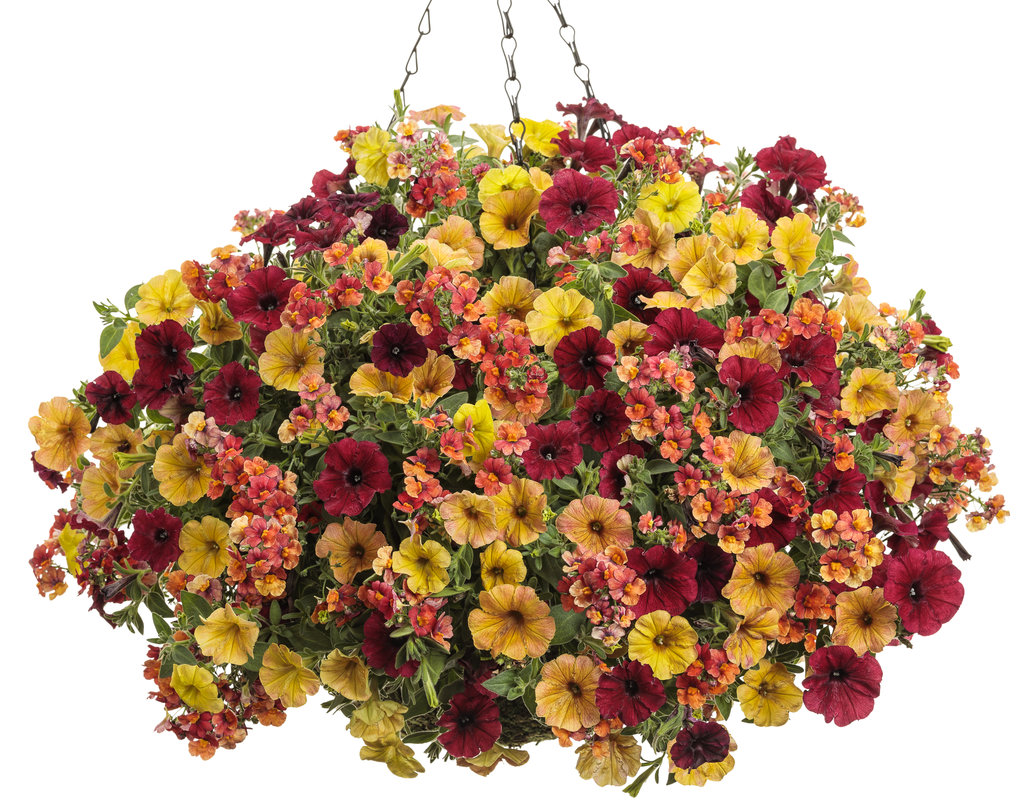
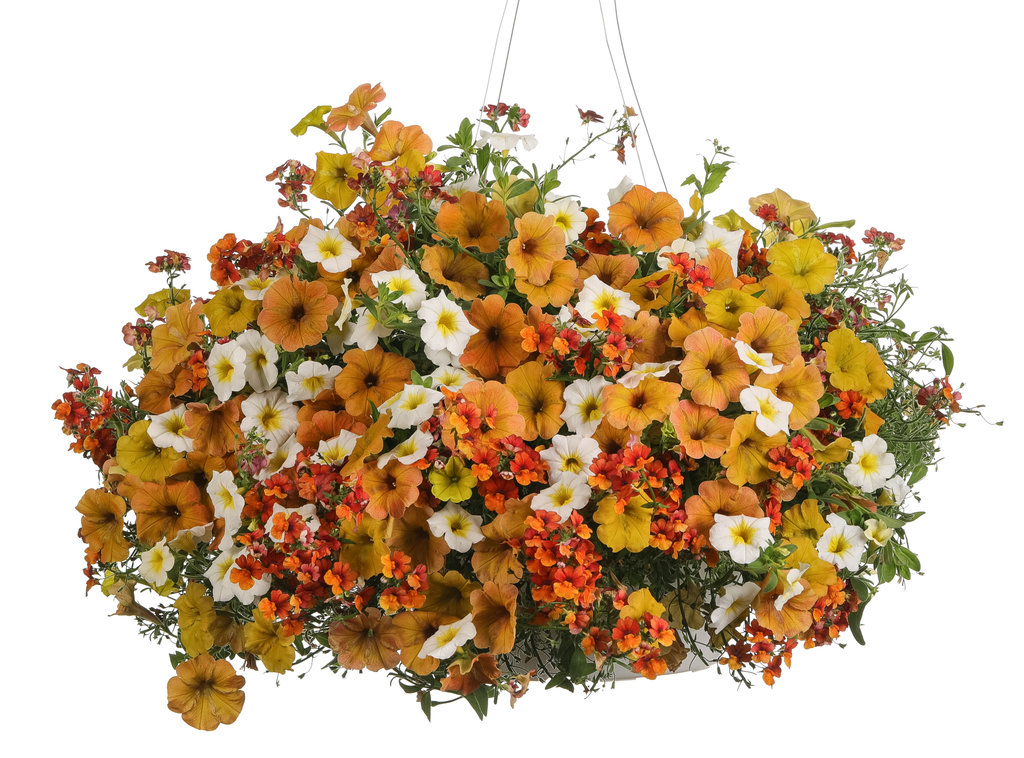
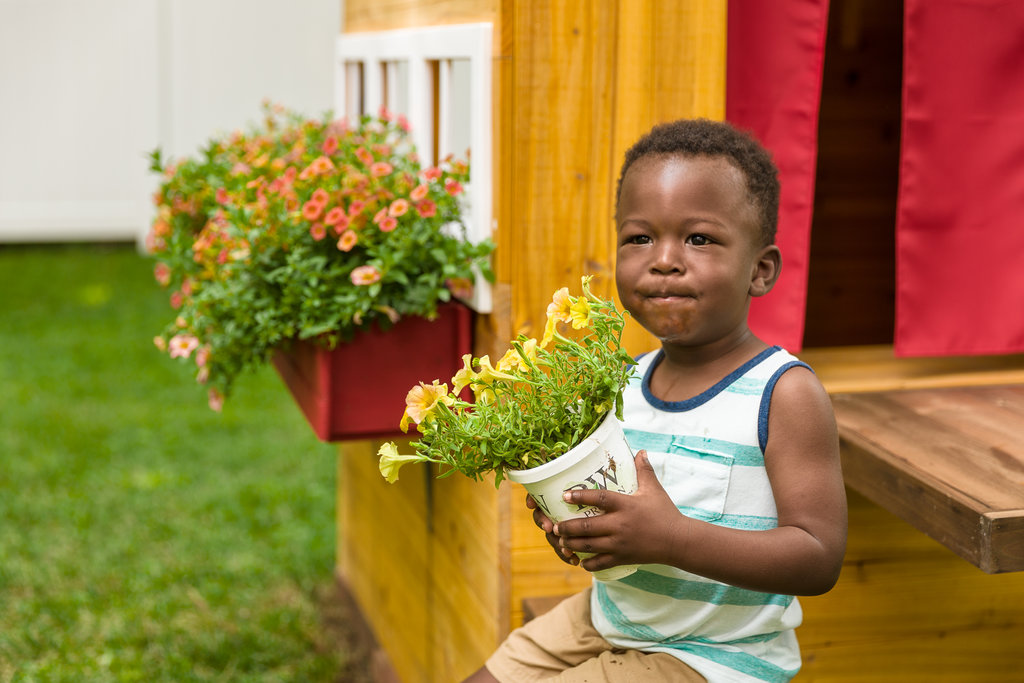
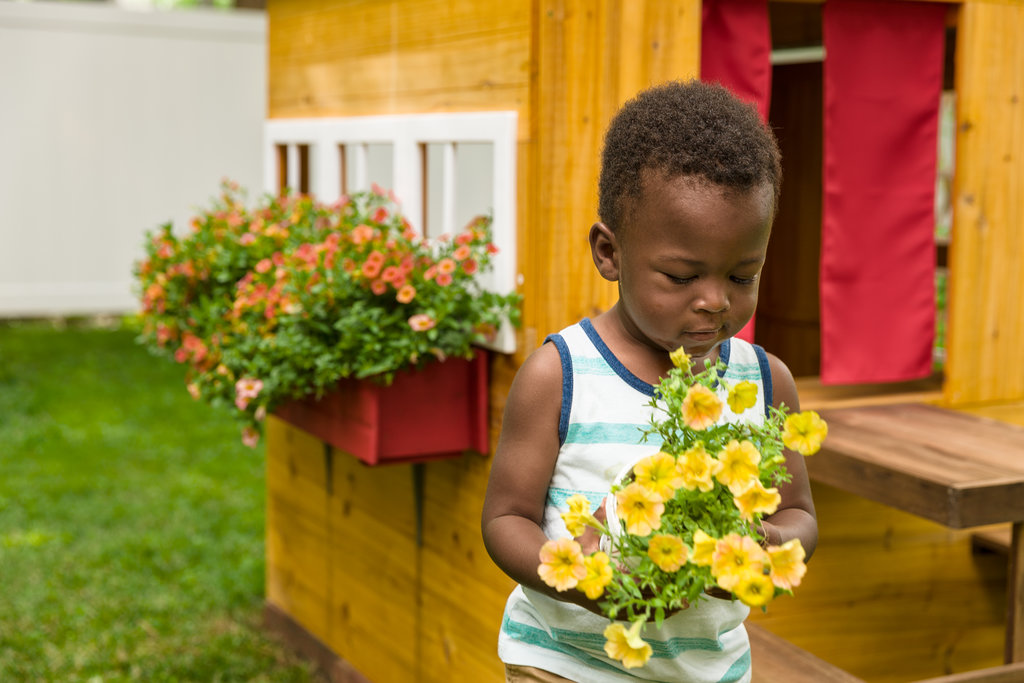
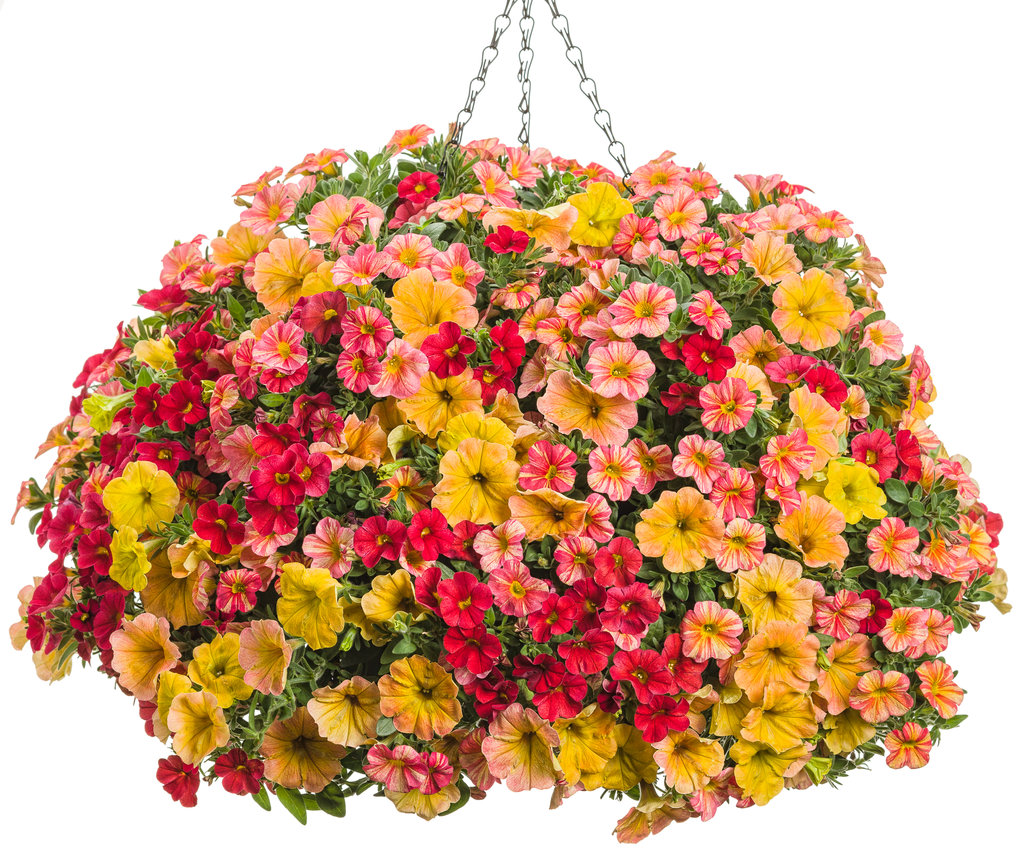
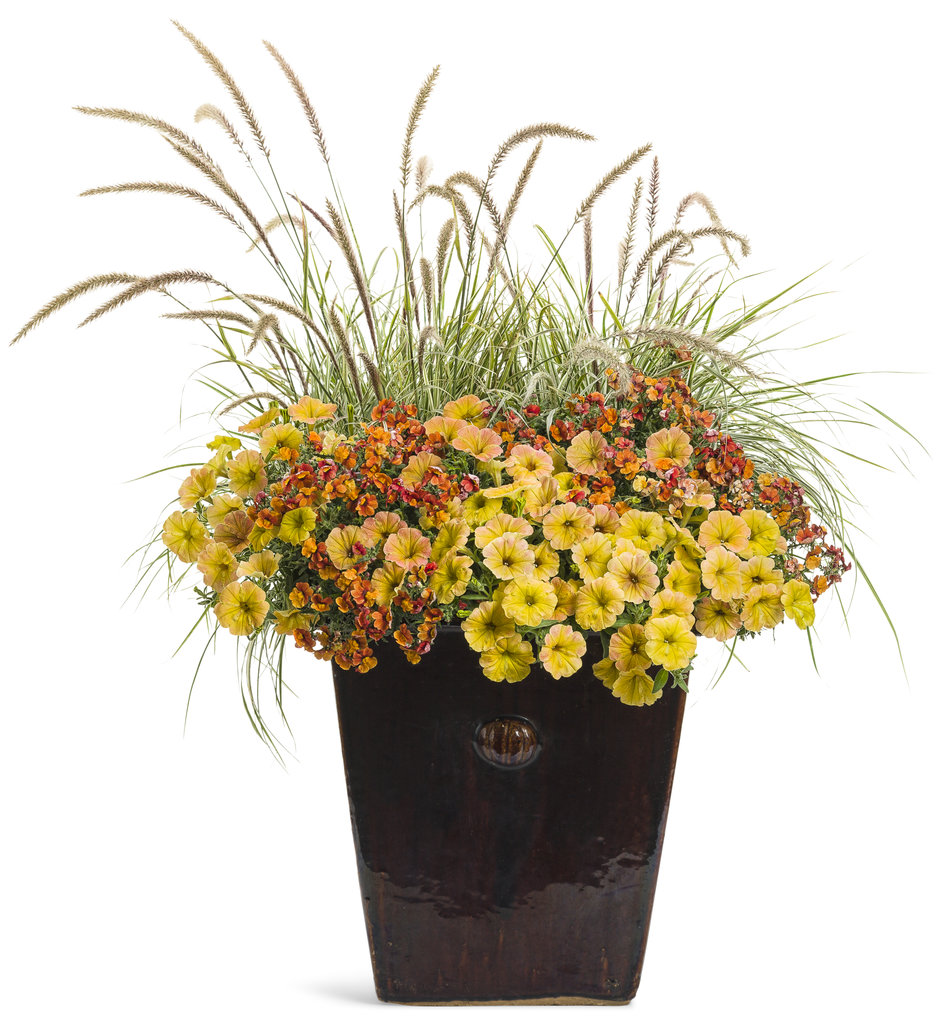
Use in hanging baskets, window boxes, landscaping and combination planters. |
| Maintenance Notes |
Supertunia® petunia plants are easy to grow and will flower non-stop from planting to hard frost if simple maintenance tasks are performed. Growing Supertunias in full sun to part sun is important for their strong growth and bloom performance. They do not require deadheading, meaning the removal of spent flowers, to stay in bloom all season.
Petunias thrive with consistent moisture. Do not let them wilt severely before watering again.
Supertunia petunias perform best when fed regularly with Proven Winners plant foods. At planting time, in containers and landscapes, mix Proven Winners Premium Continuous Release Plant Food into the soil, following the rates specified on the packaging. Reapply halfway through the growing season.
Additionally, Supertunias should be fed regularly with Proven Winners Premium Water Soluble Plant Food according to the rates specified on the packaging. For Supertunias growing in containers, feed every third time you water or at least once per week. For Supertunias growing in the ground, feed once every one to two weeks.
If you have been feeding your petunias regularly and they are getting enough sun and water but are not blooming, you may be dealing with petunia budworm. Learn more about this petunia pest.
By midsummer, it will be time to trim up your Supertunias. Trim the longest stems, bringing them in line with the others, taking care not to remove more than 20% of the plant. Trimming petunias in the landscape is not usually necessary but cutting them back by 20% can make the plants fuller. Follow up by feeding them with water soluble plant food to promote fresh new growth and blooms.
|
| 2020 | Top Performer - Cool Season - LSU |
| 2020 | Top Performer - Cornell University |
| 2020 | Top Performer - Montreal Botanic Garden |
| 2020 | Top Performer - Daniel A. Seguin Garden |
| 2020 | Top Performer - Domaine Joly - De Lotbiniere |
| 2020 | Top Performer - University of Minnesota - Morris |
| 2020 | Top Performer - Penn State University |
| 2020 | Top Performer - In Ground - University of Minnesota - Grand Rapids |