
Plantinformation
HOME OF PROVEN WINNERS®
Plant Information
Bloomerang® Dark Purple
Syringa
Don't settle for lilacs that bloom just once a year - get Bloomerang® lilacs and enjoy months of blooms instead of just weeks.
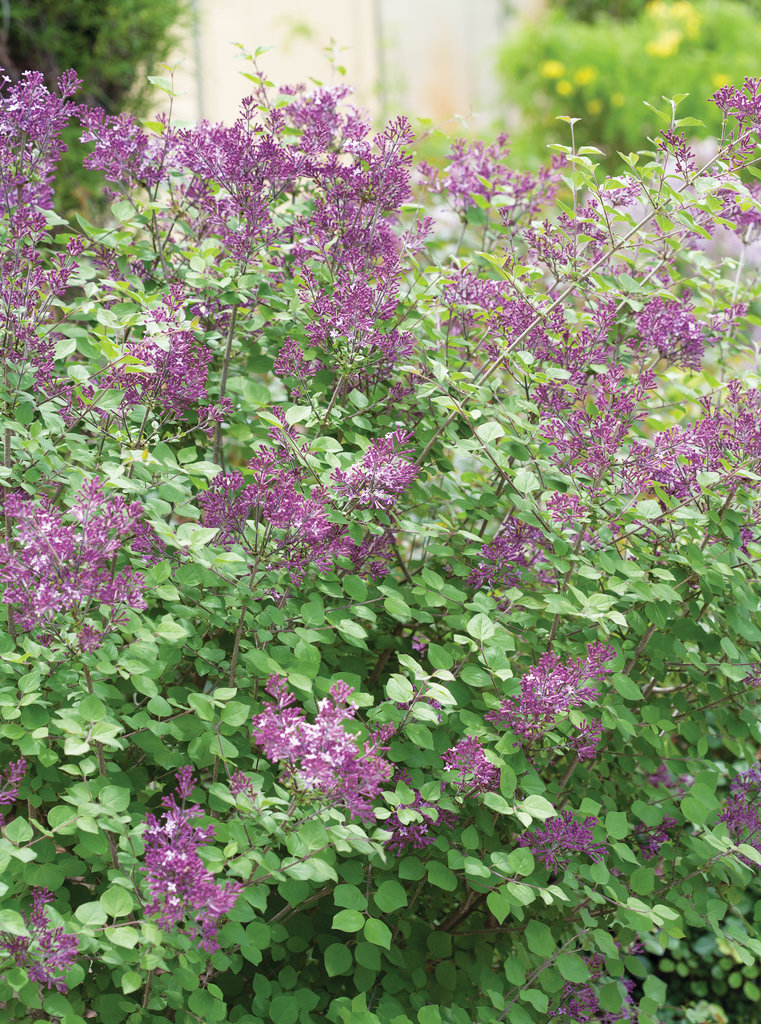
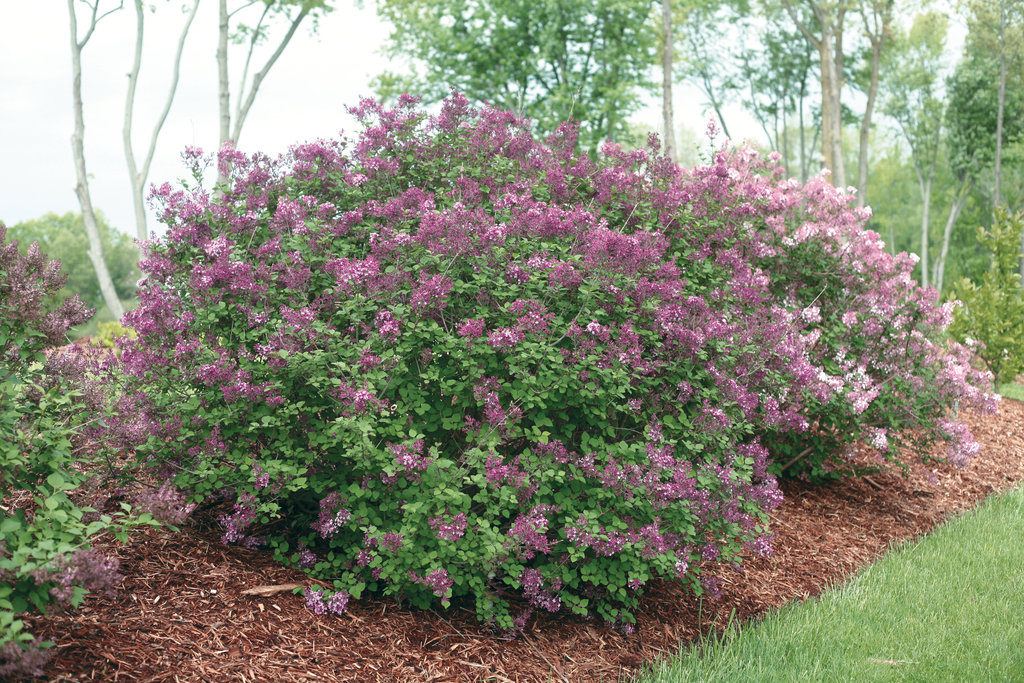
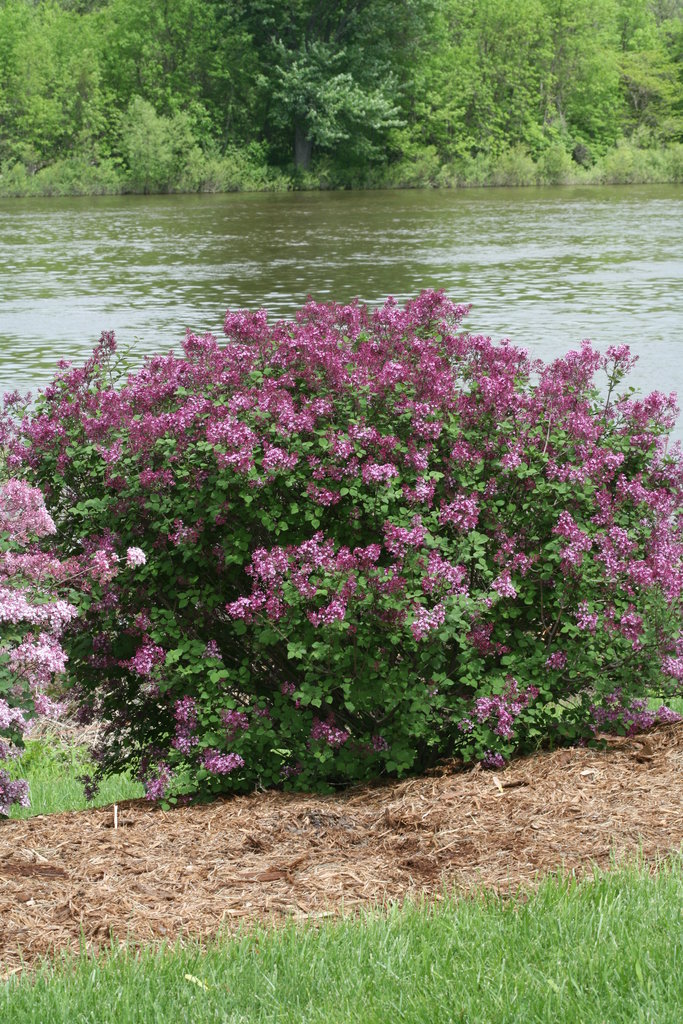
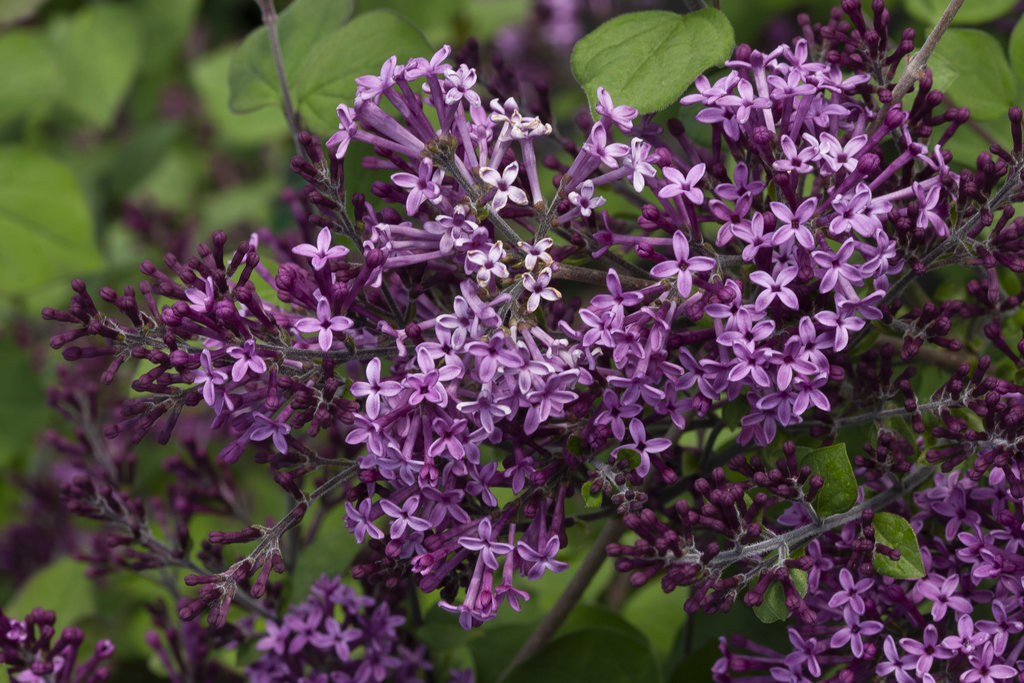
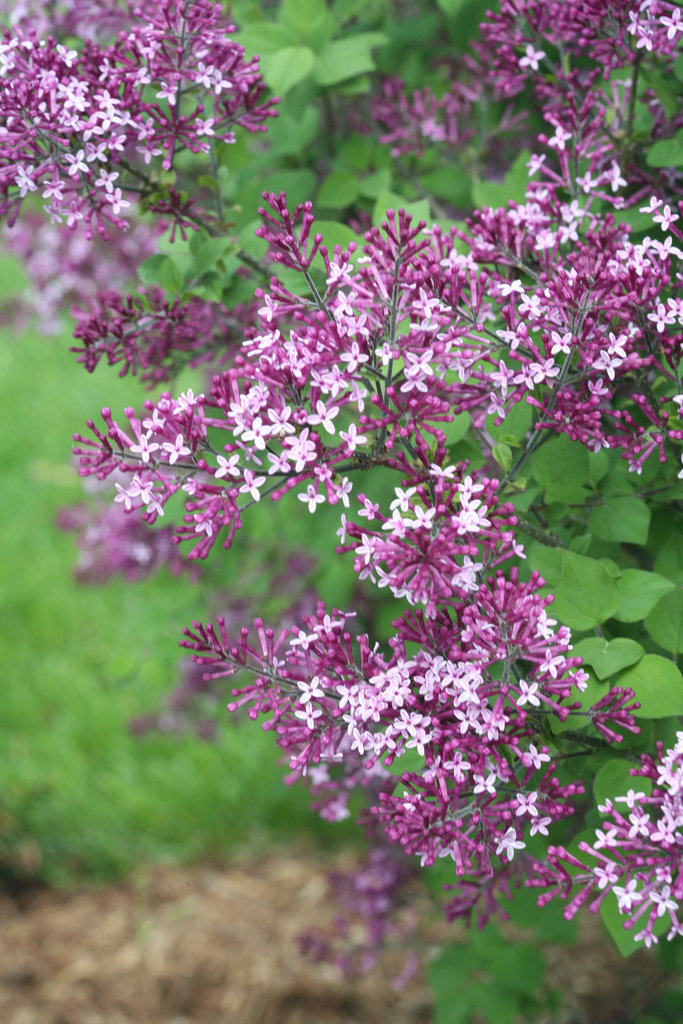
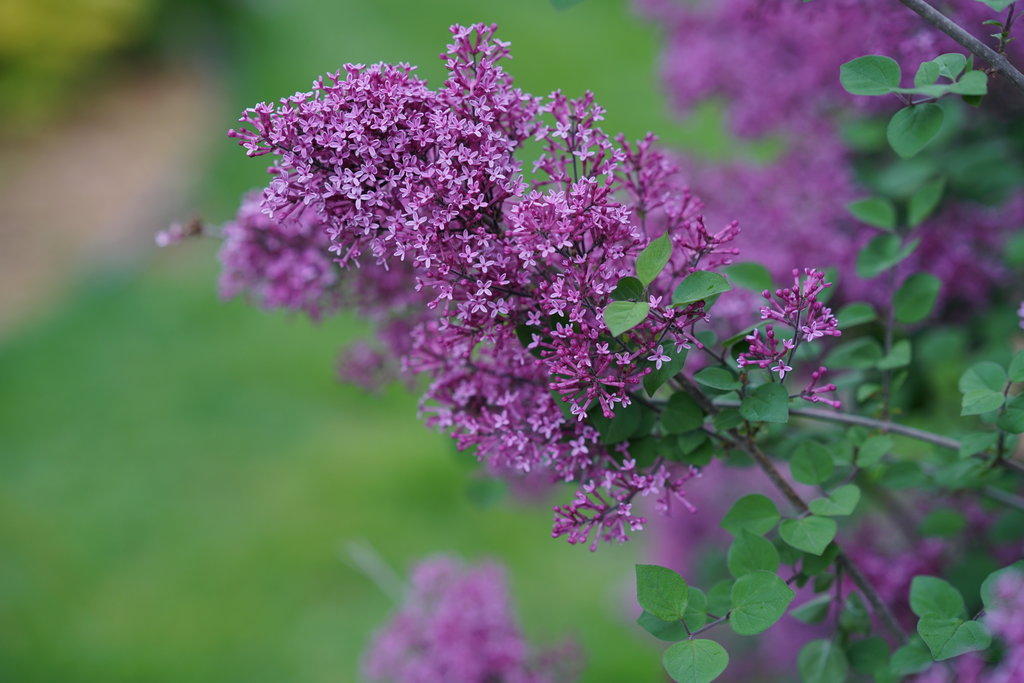
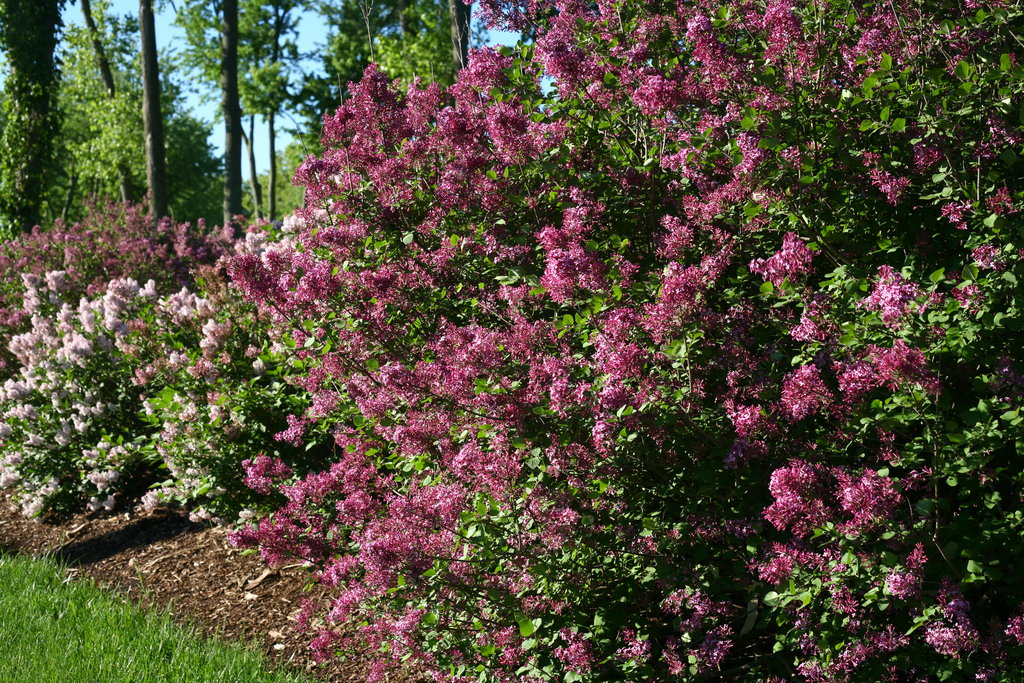
Big, bold, and beautiful - that's Bloomerang® Dark Purple lilac. Naturally growing as a handsome, rounded shrub, very large dark purple buds emerge in mid to late spring. These open to a classic deep purple-lilac color and perfume the air for weeks. The plant then takes a brief rest to create new growth before it starts to bloom again in mid to late summer, continuing through frost.
Bloomerang lilacs are also noted for their exceptional disease resistance - no worries about ugly white or brown foliage to spoil the floral show. And like other lilacs, it is sun-loving and deer resistant, so it makes an easy care choice for years of beauty.
Top reasons to grow Bloomerang Dark Purple lilac:
- It's reblooming! It doesn't only bloom once in spring - it also blooms summer through fall.
- Disease resistant. Doesn't get ugly from fungus and bacteria like older lilacs can.
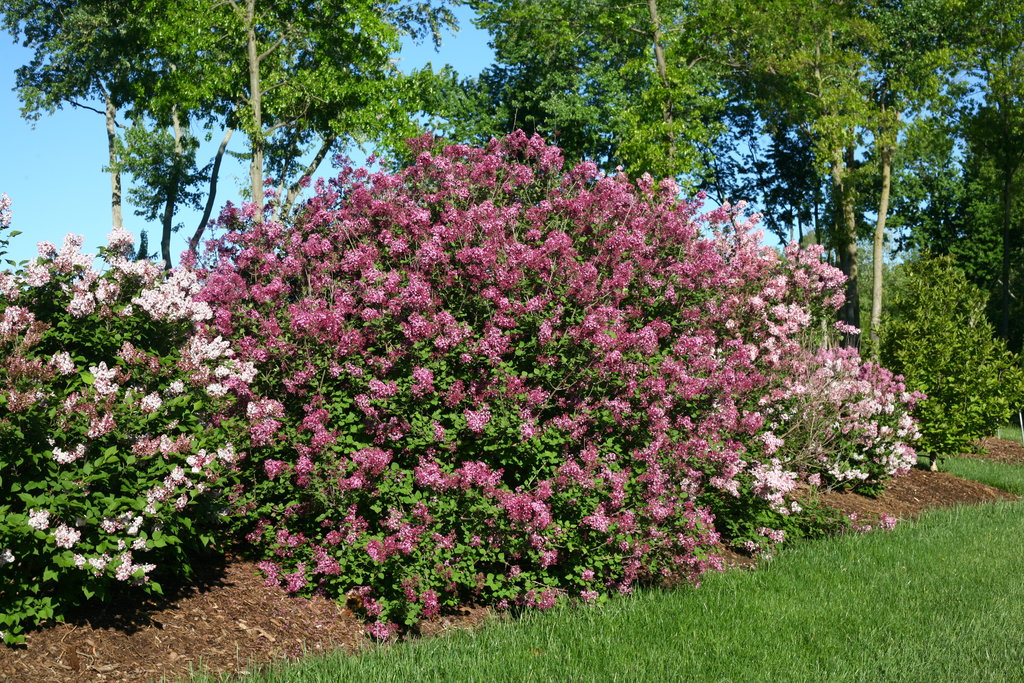
- Neat, rounded shape looks good in the landscape or garden.
Bloomerang Dark Purple lilac is featured in our "Two-Timer" magazine ad.
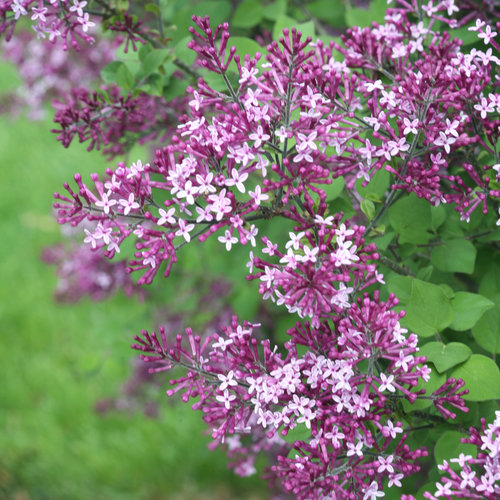
| Blossom Color | Purple |
| Bloom Season | Early Fall,Early Spring,Early Summer,Late Fall,Late Summer,Mid Fall,Mid Summer |
| Exposure | Sun |
| Height | |
| Width | 48-72 in |
| Spacing | 48-84 in |
| Container Sizes | 32 |
| Hardiness Zones | 3, 4, 5, 6, 7 |
| Wildlife Attracted | Butterflies |
| Wildlife Deterred | Deer |
| Features | Don't settle for lilacs that bloom just once a year - get Bloomerang® lilacs and enjoy months of blooms instead of just weeks.
Big, bold, and beautiful - that's Bloomerang® Dark Purple lilac. Naturally growing as a handsome, rounded shrub, very large dark purple buds emerge in mid to late spring. These open to a classic deep purple-lilac color and perfume the air for weeks. The plant then takes a brief rest to create new growth before it starts to bloom again in mid to late summer, continuing through frost.
Bloomerang lilacs are also noted for their exceptional disease resistance - no worries about ugly white or brown foliage to spoil the floral show. And like other lilacs, it is sun-loving and deer resistant, so it makes an easy care choice for years of beauty.
Top reasons to grow Bloomerang Dark Purple lilac:
Bloomerang Dark Purple lilac is featured in our "Two-Timer" magazine ad.
|
| Adaptable as a Houseplant | No |
| Bog Plant | No |
| Is Disease Resistant | No |
| Drought Tolerant | No |
| Edible | No |
| Erosion Control | No |
| Fragrant Flower | Yes |
| Fragrant Foilage | No |
| Heat Tolerant | No |
| Native to North America | No |
| Salt Tolerant | No |
| Succulent | No |
| Water Plant | No |




| Uses |
A classic addition to foundation plantings and mixed borders. Bloomerang lilac is also a popular choice for planting in decorative containers - learn more here. |
| Maintenance Notes |
Plant only in full sun and well-drained soil; lilacs cannot tolerate soggy, wet conditions.
The Bloomerang lilac reblooms on the fresh new growth that develops once its spring flowering cycle is finished.. For the best rebloom, it's vital that the plant grows vigorously during late spring and early summer. Do this by keeping it well-watered and mulched and in plenty of sun (six hours a day at least). If you wish to fertilize Bloomerang® Dark Purple lilac, you may do so in early spring, once the ground has thawed, and again in late spring, after it blooms.
If you want to prune Bloomerang Dark Purple lilac, do so immediately after its spring bloom. Never cut it back in fall, winter, or early spring - doing so will remove the spring flower buds. It is not necessary to prune Bloomerang lilacs in order for them to rebloom. However, giving it a light trim after blooming does remove the developing seed heads (they look like green bananas, and some people don't care for the way they look on the plant), providing a neater look, and encourages more new growth for reblooming lilacs. Trimming after blooming will delay the rebloom by a few weeks compared to an untrimmed Bloomerang lilac.
Like nearly all lilacs, Bloomerang lilac requires a period of cold weather to bloom well. This is why lilacs are not typically suited to warmer climates. However, they are very, very cold tolerant and thrive in climates as cold as USDA zone 3. |